
IMSI

Department of Biodiversity and Environmental Research

The research team of the Department of Biodiversity and Environmental Research focuses on the characterization of aquatic habitats, population and synecological studies of fish and birds, assessment of the ecological status of surface waters, and evaluation of the potential use of freshwater organisms as indicators of the condition of aquatic ecosystems in Serbia, applying a wide range of methodological approaches.

The Department consists of three principal research fellows, five senior research fellows, three research fellows, one research trainee, and one professional associate, organized into three research groups:

  • Ichthyology Group
  • Ornithology Group
  • Ecotoxicology, Genotoxicology, and Microbiology Group

Research fields and interests

  • Ichthyology and hydrobiology
  • Ecology of invasive fish species
  • Population ecology and conservation biology of fish
  • Management of fish and other natural resources
  • Fish ecotoxicology and histology
  • Monitoring of aquatic ecosystems
  • Sustainable use of natural resources
  • Socio-economic aspects of natural resource utilization
  • Hydroacoustics
  • Aquaculture

Fieldwork and research methods

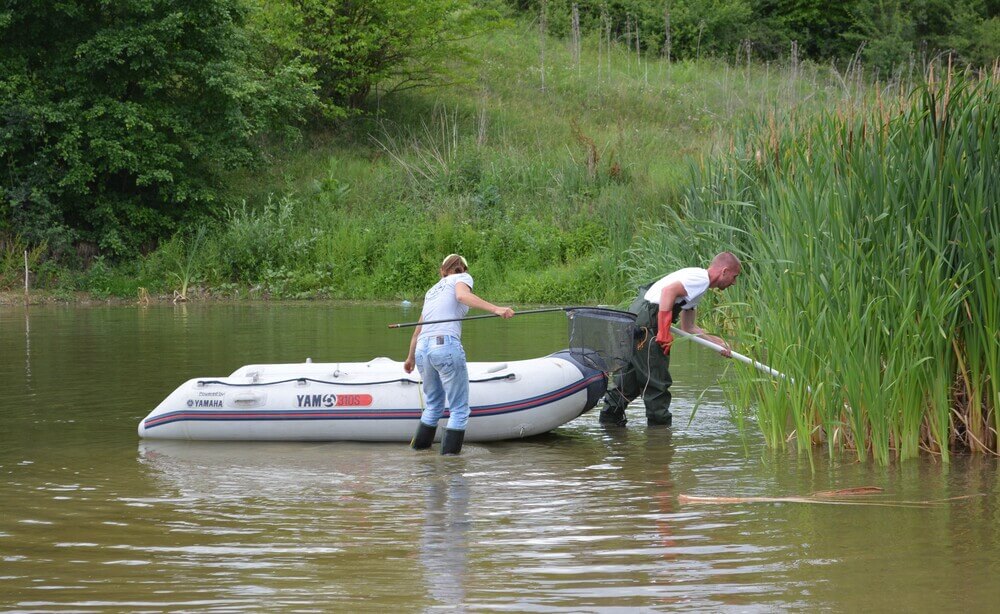
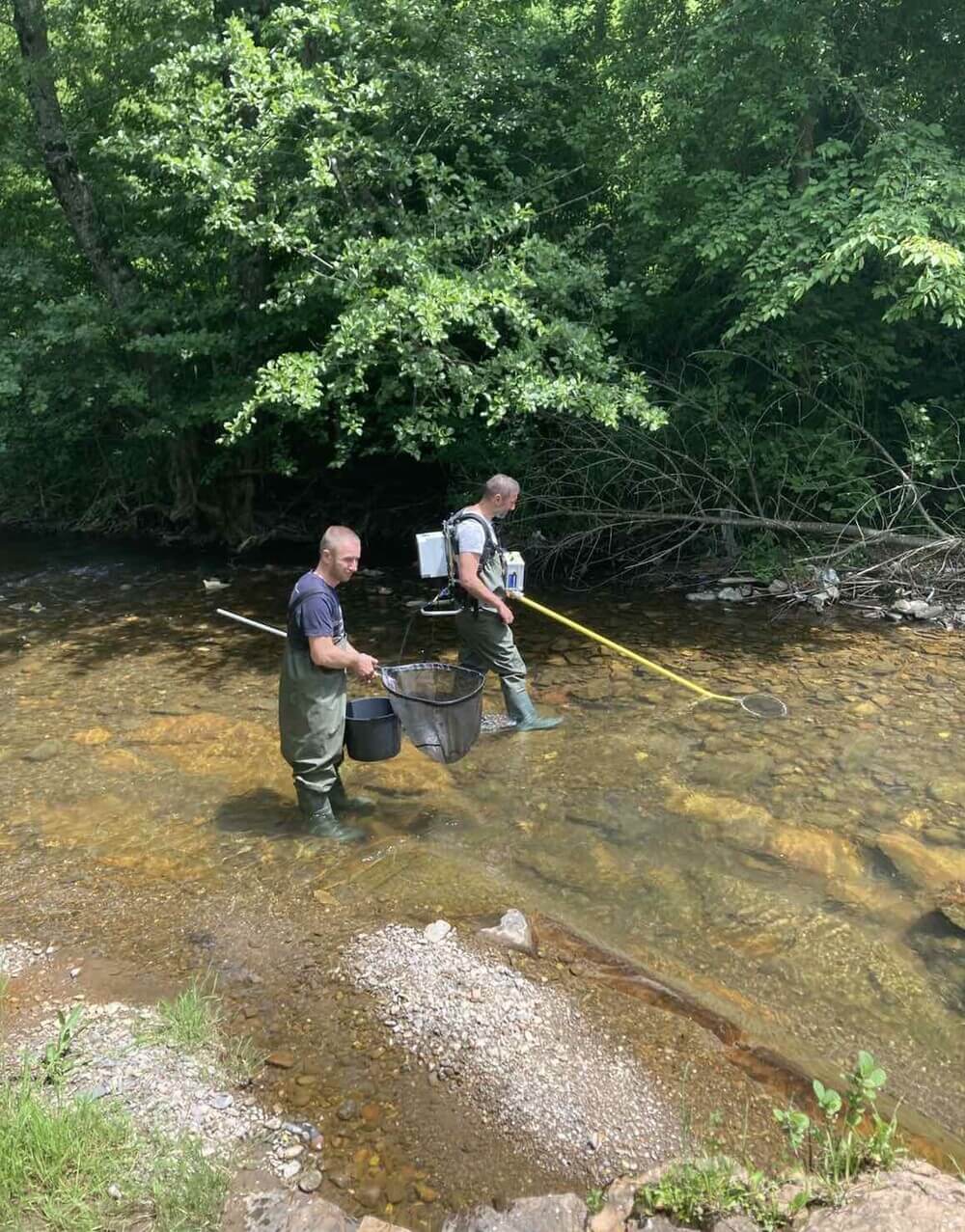
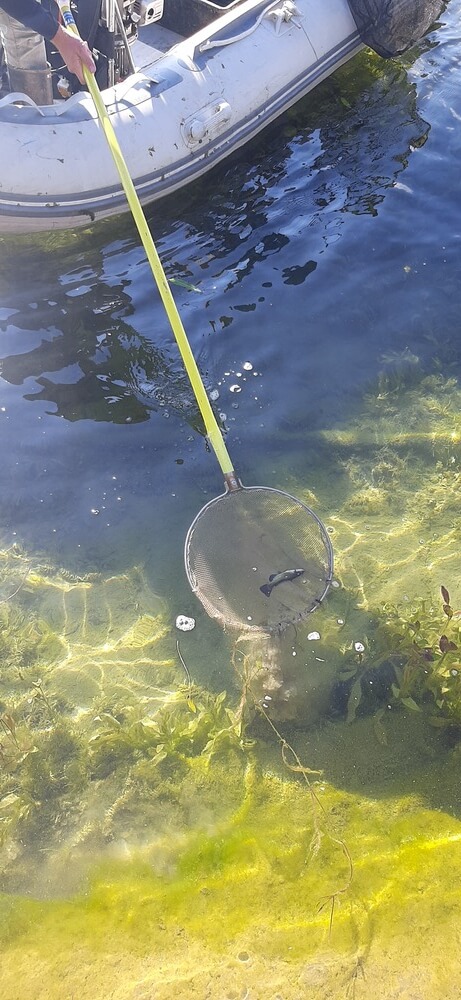
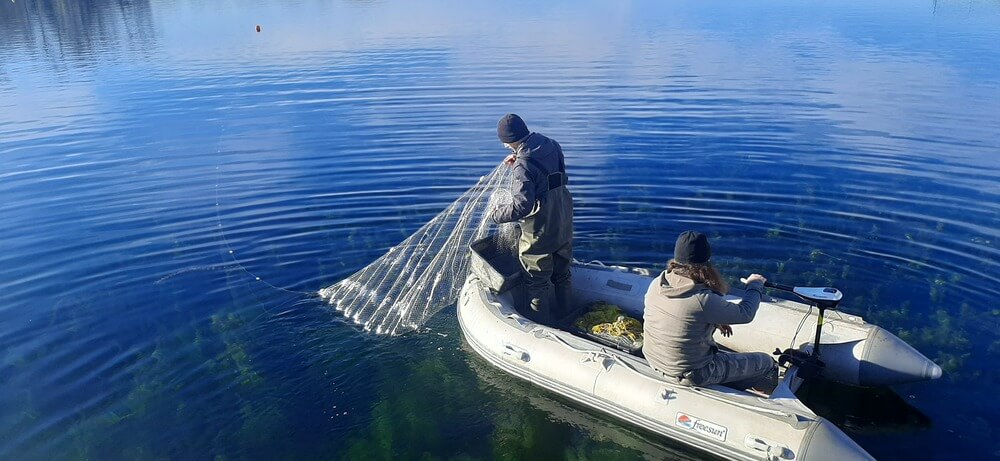
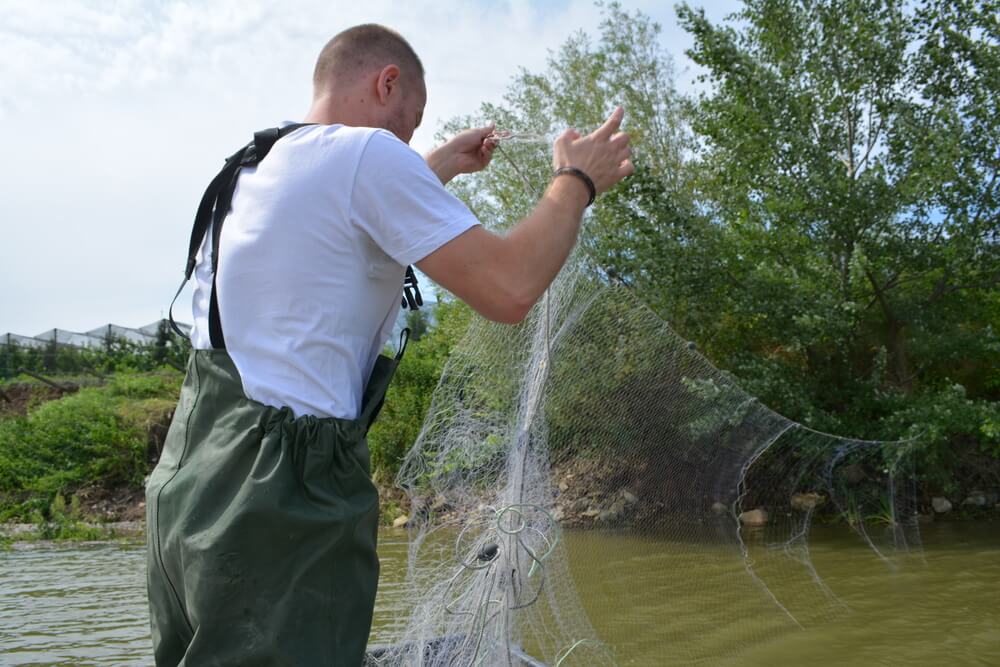
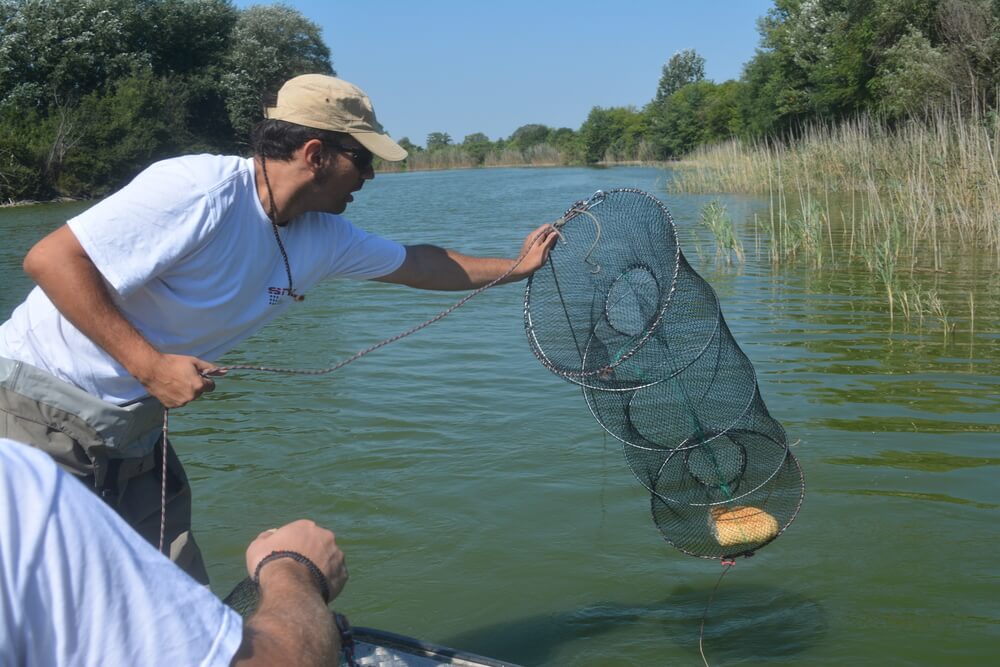
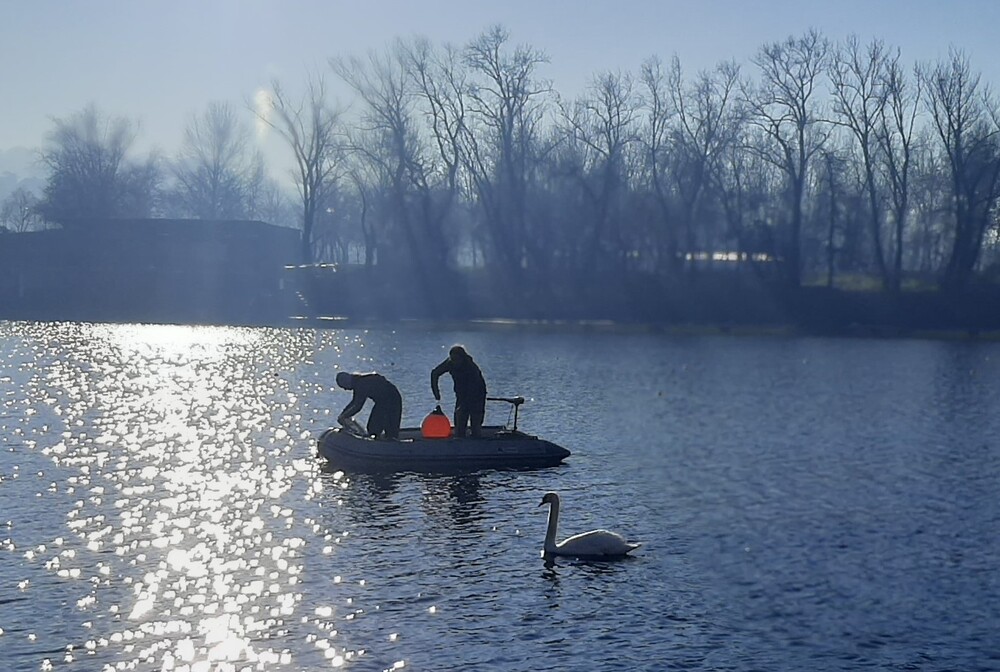
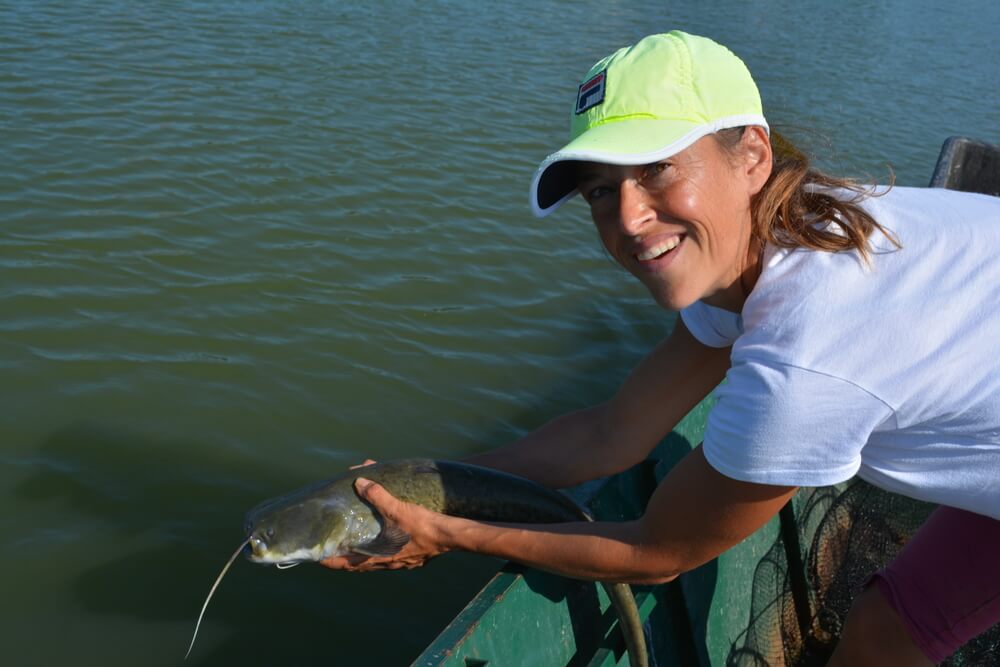
  • Fish sampling using electrofishing and netting techniques in accordance with CEN standards (SRPS EN 14962, 14011, 14757)
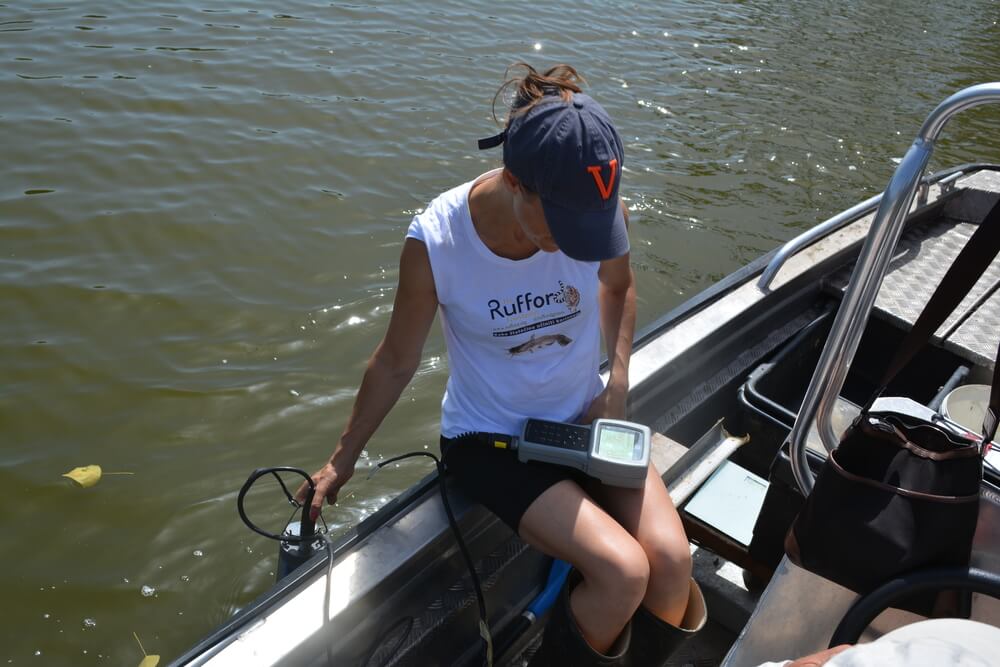
  • Transect-based methods, sediment and water sampling
  • Hydroacoustic surveys (Simrad, ARIS)
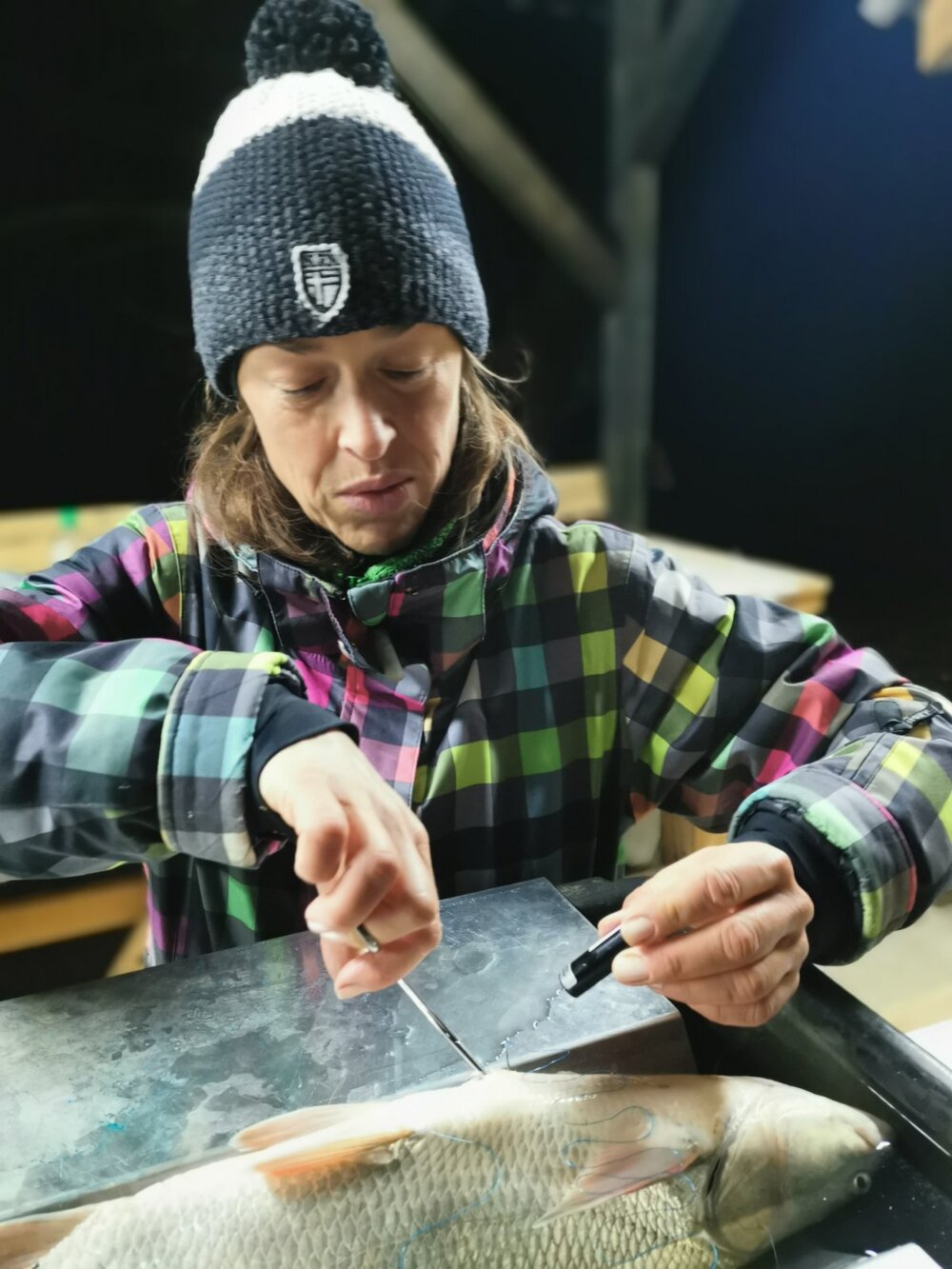
  • PIT and acoustic telemetry
  • Autonomous diving (SCUBA)

Laboratory and analytical methods

  • PCR and genetic analyses (MicroChecker, ClustalX, MEGA, STRUCTURE, Arlequin, DnaSP, NeEstimator)
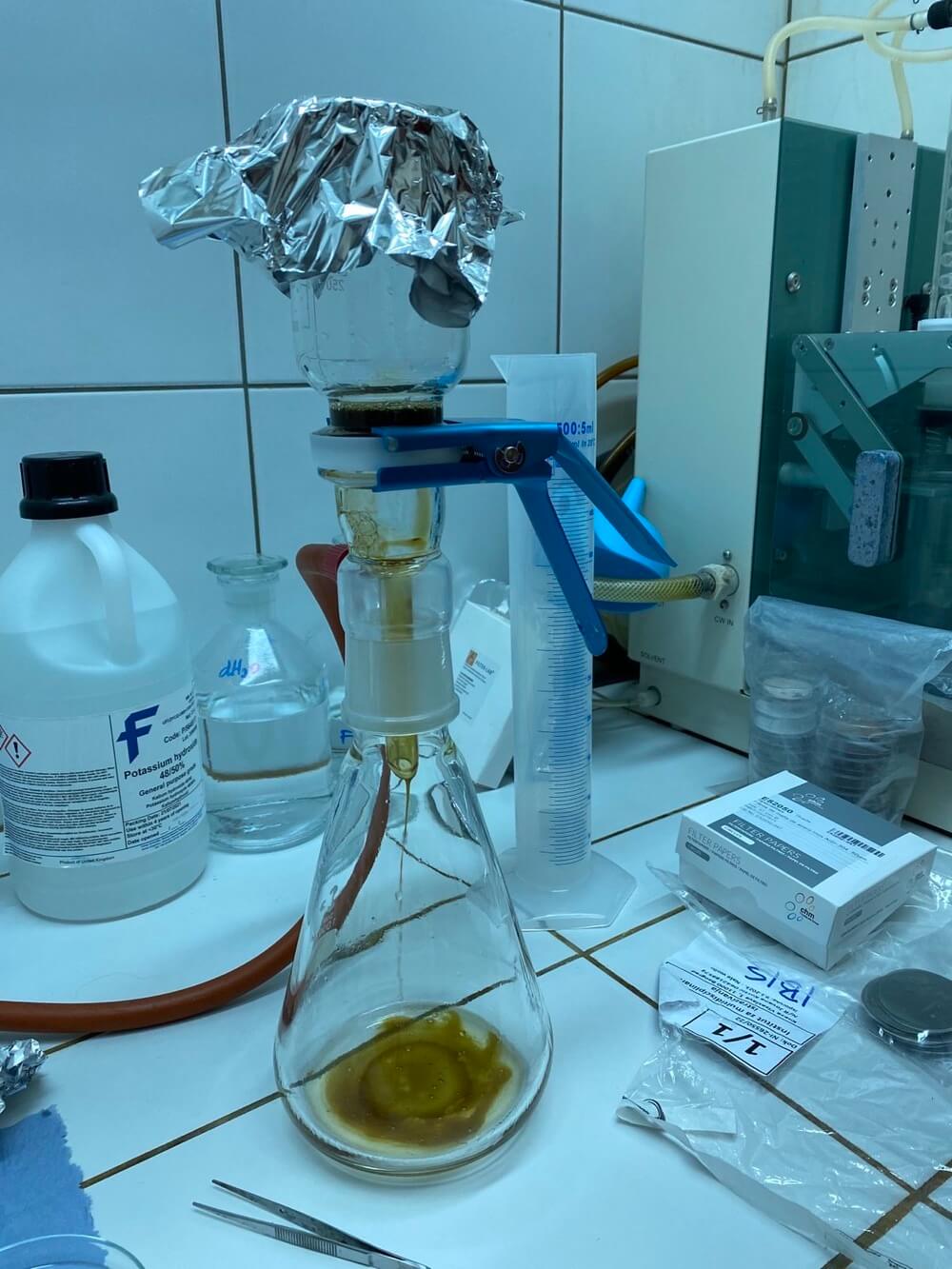
  • ICP, GC-MS
  • Geometric morphometrics (MorphoJ, TPS series, IMP)
  • Classical fish morphometrics

Research fields and interests

  • Population ecology and community dynamics of birds
  • Avian parasitology (host-parasite interactions)
  • Birds as bioindicators of ecosystem health
  • Ecotoxicology
  • Conservation biology and bird protection
  • Systematics, phylogeny, and nomenclature of birds
  • Population genetics of birds
  • Biogeography and climate change
  • Bird migration and migration ecology
  • Movement ecology and biotelemetry (GPS/GSM, radio telemetry)
  • Spatial and trophic ecology
  • Bioacoustics

Fieldwork and research methods

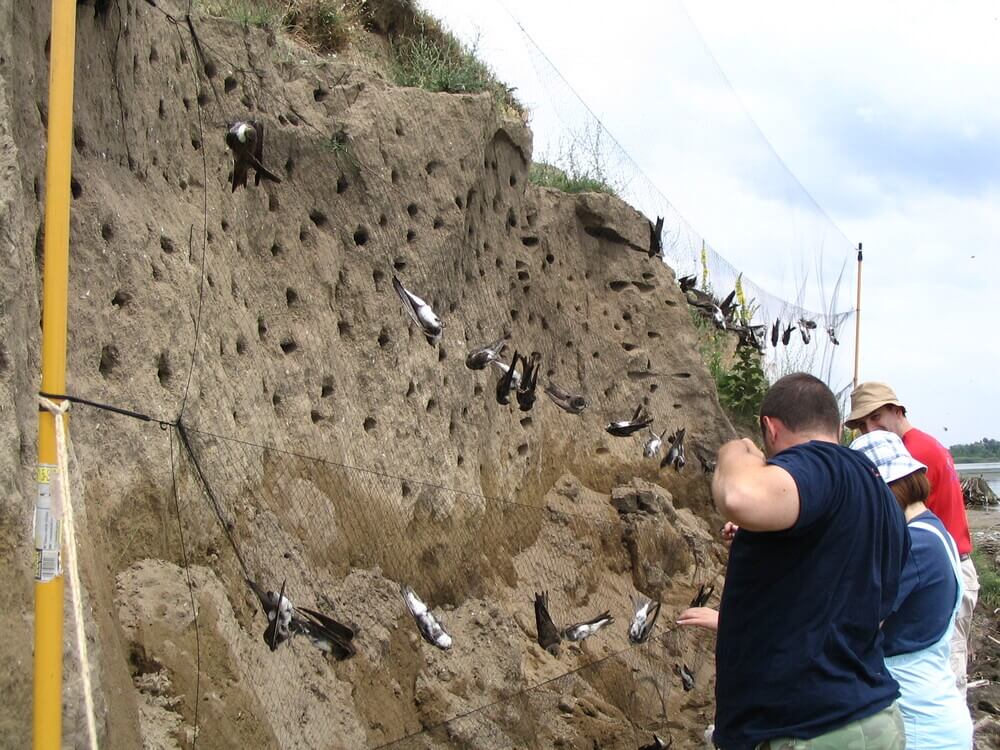
  • Assessment of presence, abundance, and density (transects, point counts)
  • Bioacoustic monitoring
  • Monitoring of seasonal migrations and wintering sites
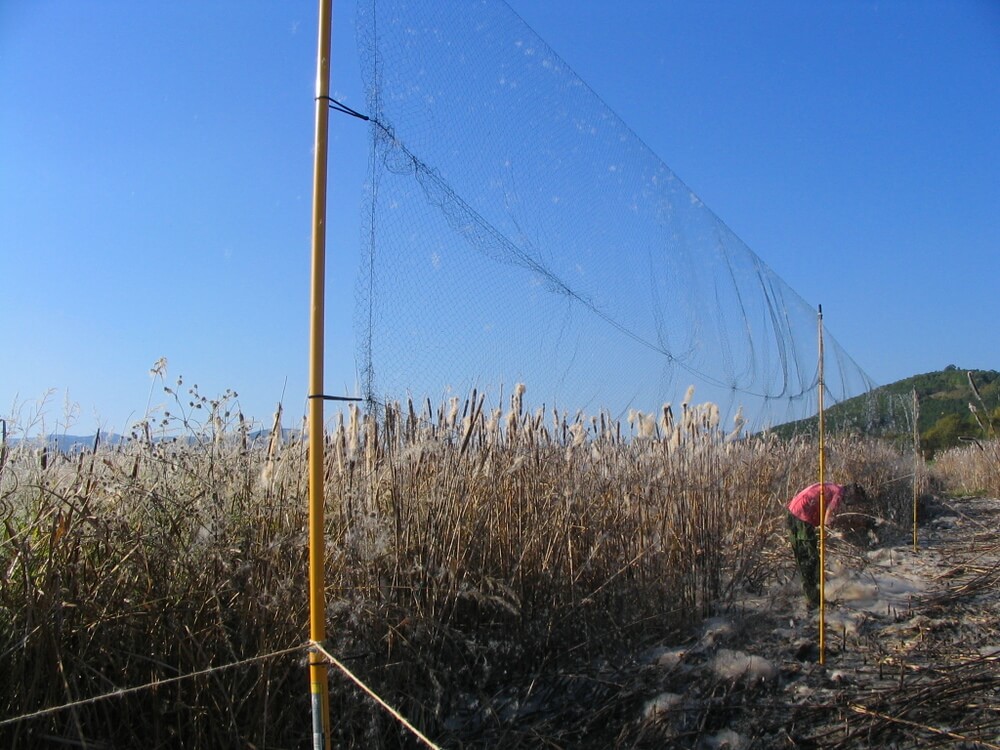
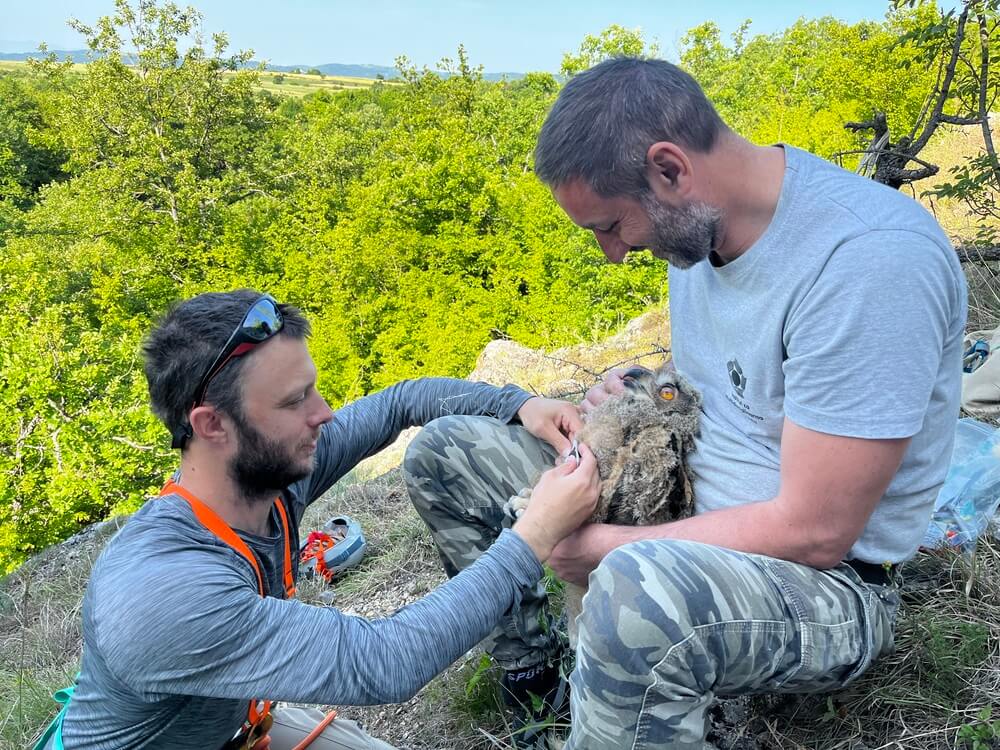
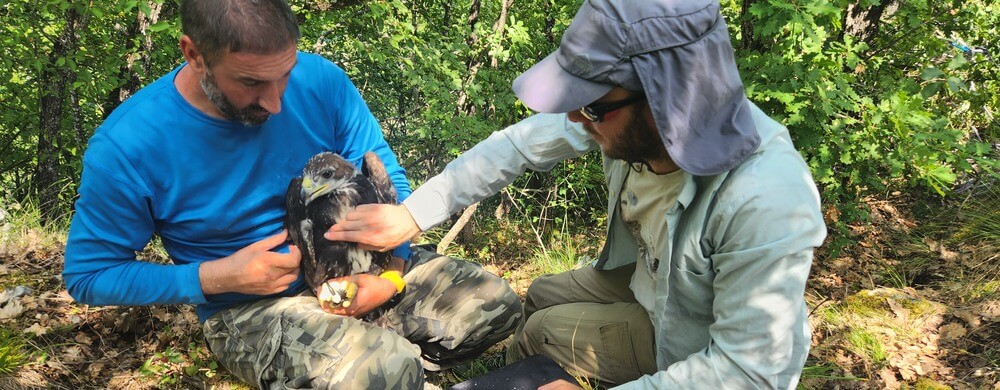
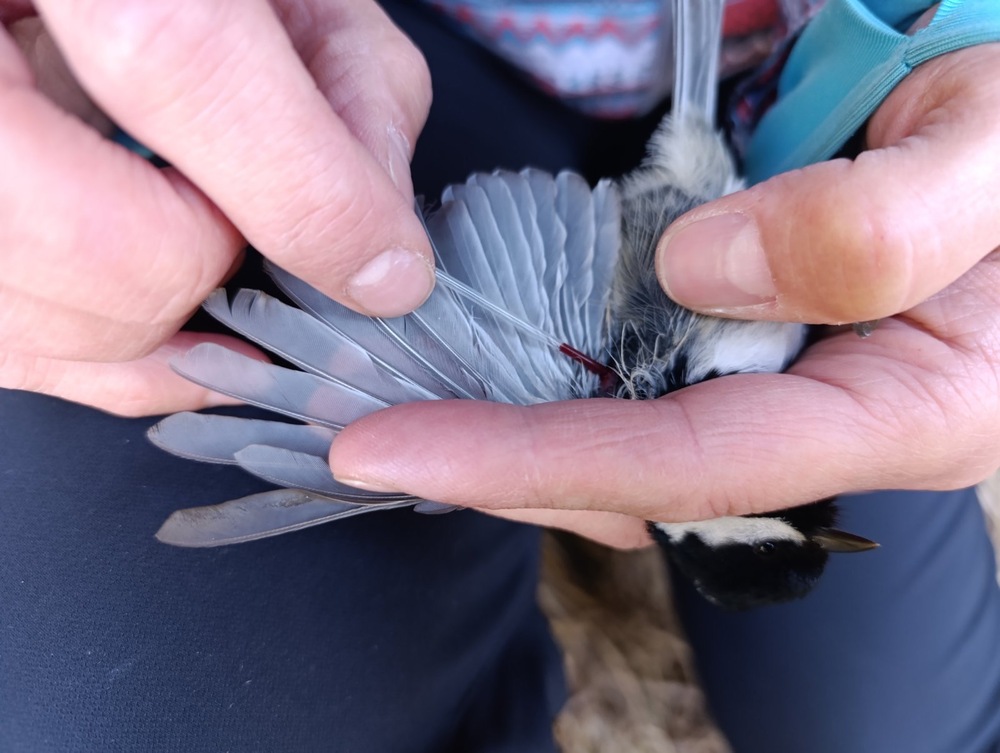
  • Bird marking (rings, color rings, wing tags)
  • Deployment of radio and GPS/GSM transmitters
  • Diet studies of raptors (trophic analyses)
  • Remote sensing, GIS, and species distribution modeling
  • Monitoring of reproduction and video surveillance of target species

Laboratory and analytical methods

  • PCR and genetic analyses (BEAST, MEGA, STRUCTURE, Arlequin, DnaSP)
  • Ecological niche modeling (MAXENT)
  • Descriptive statistics and multivariate analyses (RStudio, SPSS, PAST)
  • Geometric morphometrics (MorphoJ, TPS series)
  • Classical bird morphometrics

Ecotoxicological research

  • Assessment of acute toxicity of various pollutants (compounds of natural and synthetic origin, nanomaterials)
  • Standard ecotoxicological tests using model organisms (Ceriodaphnia dubia and Artemia salina)
  • Determination of concentrations and accumulation of heavy metals and trace elements in fish tissues as bioindicators of hydrological pollution, including assessment of pollution levels, understanding contaminant bioaccumulation, and identification of potential risks to ecosystems and human health

Genotoxicological research

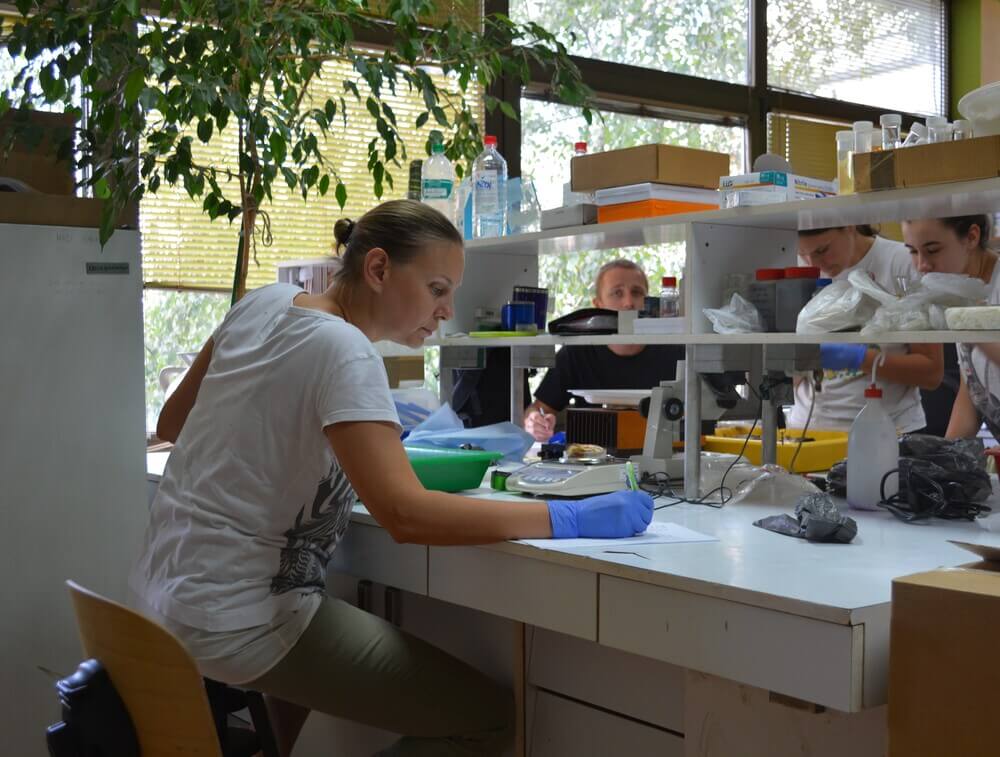
  • Assessment of DNA damage using the Comet assay (Single Cell Gel Electrophoresis)
  • Assessment of chromosomal damage using the Micronucleus test

Microbiological research

  • Analysis of microbiological indicators of faecal contamination in surface waters using enzymatic and cultivation methods

Microplastics research

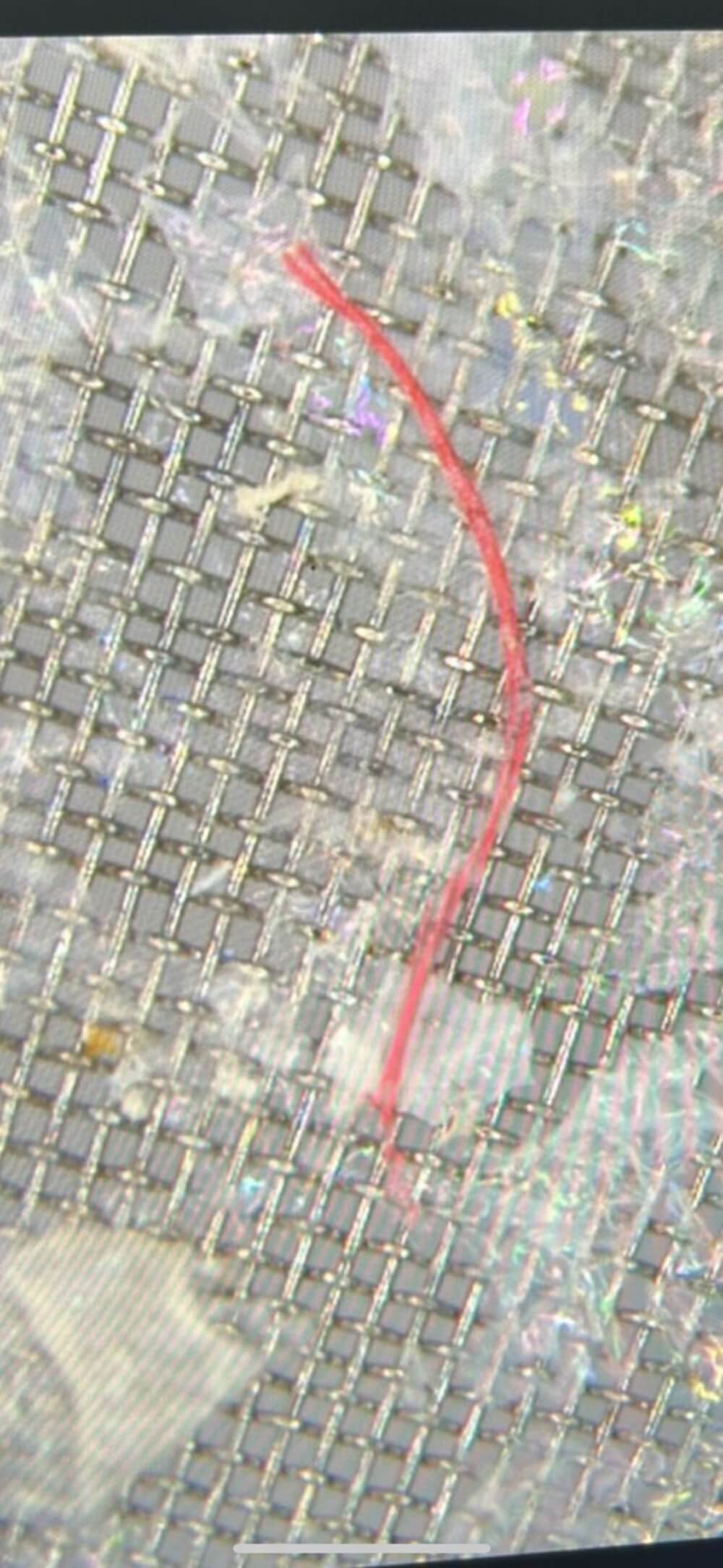
  • Analysis of the presence, distribution, and detailed characterisation of microplastics in fish tissues based on morphological characteristics (shape, size, and colour) and polymer type
  • Investigation of the toxicological effects of microplastics, in accordance with ISO standards, on freshwater and marine model organisms through environmental risk assessment

Laboratory and analytical methods

  • ICP-OES
  • Gel electrophoresis
  • Light and fluorescent microscopy
  • Coliform and E. coli water testing with Colilert-18 (ISO standard 9308-2:2012)
  1. DANUBElifelines– Safeguarding Migratory Fish and Their Habitats in the Danube River Basin and Beyond. A Danube River Basin Lighthouse Horizon Europe Project, Grant Agreement No. 101213836, 2025–2029 (https://danubelifelines.eu);
  2. Interreg Danube Region, MonStur in the Danube – Establishing, testing and launching a transboundary system for Monitoring Sturgeons, to manage and safeguard migratory fish in the Danube River Basin (Co-fundad by the European Union), 2025-2028 (https://interreg-danube.eu/projects/monstur-in-the-danube);
  3. LILY – Large-scale Interdisciplinary Alliance on Nature-based SoLutions and Health: Indicators, InequalitY and Innovation COST Action CA 23133 (Fundad by the European Union), 2024-2028 (https://www.cost.eu/actions/CA23133/);
  4. DANUBE4all – Restoration of the Danube River Basin for ecosystems and people from mountains to coast European Commision, European Climate, Infrastructure and Environment Executive Agency, funded by the European Union’s Horizon Europe research and innovation programme under grant agreement no. 101093985, 2023-2027 (https://www.danube4allproject.eu);
  5. Wildlife Malaria Network (WIMANET) – COST Action 22108 (Funded by the European Union) 2023-2027 (https://www.cost.eu/actions/CA22108/)
  6. A European flyway research network for the effective conservation of migrant landbirds (EUFLYNET) – COST Action 22117 (Funded by the European Union) 2023-2027 (https://www.cost.eu/actions/CA22117/)

Researchers of the Department for Biodiversity and Environmental Research provide the following highly specialized services:

  • preparation of management programs for fisheries areas;
  • preparation of action plans and conservation programs for specific species and habitats;
  • monitoring of surface waters, fish stocks, and birds;
  • monitoring of Natura 2000 indicator species;
  • preparation of biodiversity and environmental impact assessment studies (EIA);
  • expert assessments and consultancy in the fields of ichthyology, ornithology, and ecotoxicology.

1. Sonar Aris explorer 1800

Manufacturer: Sound Metrics, Washington
Year of purchase: 2012.
Responsible person: dr Marija Smederevac-Lalić

2. Sonar Simrad EK60

Произвођач: Simrad, Норвешка
Година набавке: 2011.
Person in charge: dr Marija Smederevac-Lalić

3. AquaTech IGT 202 electrofishing device

Manufacturer: AquaTech, Austria
Year of purchase: 2024
Responsible person: dr Stefan Skorić

4. AquaTech ELT with Impuls electrofishing device

Manufacturer: AquaTech, Austria
Year of purchase: 2022
Responsible person: dr Stefan Skorić

5. Shimadzu GCMS – QP 1020plus gas mass spectrophotometer

Manufacturer: AquaTech, Austria
Year of purchase: 2022
Responsible person: dr Željka Višnjić Jeftić

6. Thelma Biotel TBR 800 digital acoustic receiver

Manufacturer: Thelma Biotel, Norway

Year of purchase: 2025

Responsible person: dr Gorčin Cvijanović

Scroll to Top