Microbial Diversity, Ecosystem Services of the Soil Microbiome and Ecosystem Conservation (MicroEco)
About project
Project title:
Microbial Diversity, Ecosystem Services of the Soil Microbiome and Ecosystem Conservation - MicroEco
Acronym:
MicroEco
Financier:
European Commission
Budget:
1501697 / 25000 Eur
Project duration:
2022-2026
Project coordinator:
Prof Frank Berninger, University of Eastern Finland, Joensuu, Finalnd
Project partners:
University of eastern Finland, University of Tartu, Estonia; INRAE, France; Consorzio Interuniversitario Nazionale per le Scienze Ambientali, Parma, Italy; University of Lleida, Spain; Universidade Federal de Santa Catarina, Brasil
Project leader for IMSI:
Dr Žaklina Marjanović
Project website:
Social media:
/
Location:
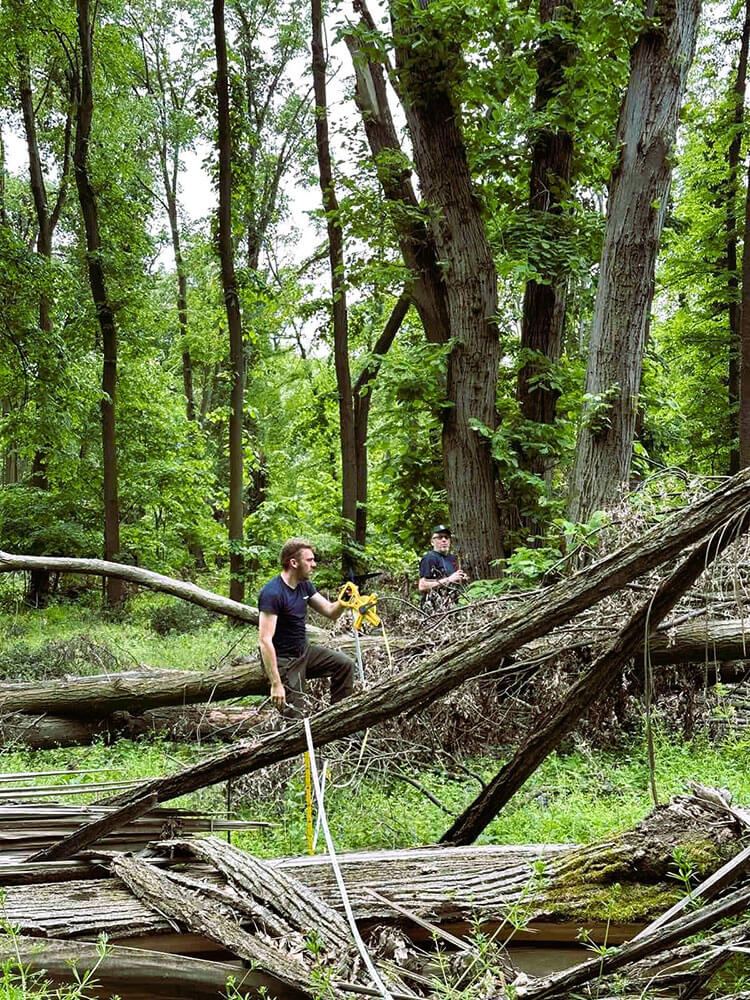
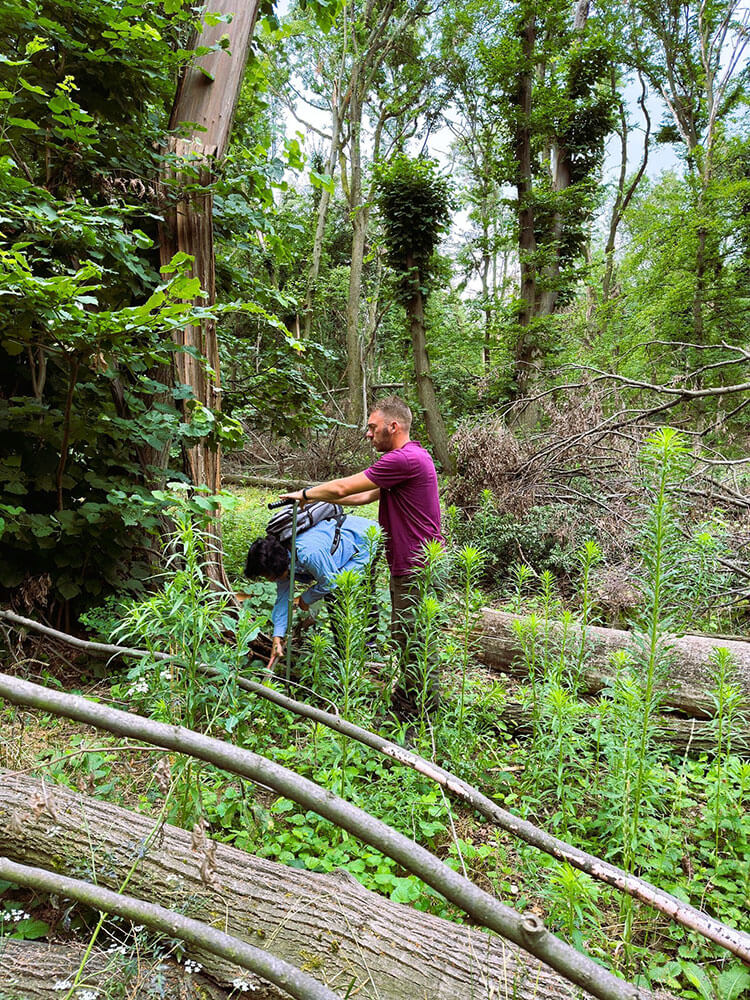
Fruška Gora experimental areas
Keywords:
soil biodiversity; forest disturbance; C sequestration; molecular ecology of fungi; soil enzymes

Telephone:
E-Mail:
Website:
Project description
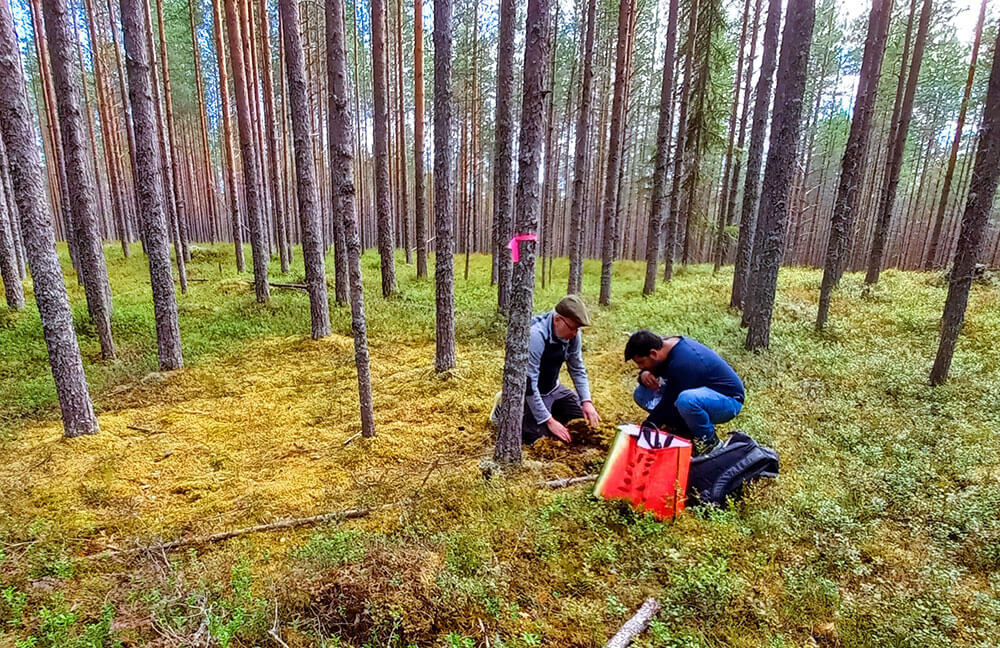
Soil microbial diversity has only gained importance in the last decade, as molecular methods for identifying soil microorganisms have emerged and molecular tools and bioinformatic software have become widely available. MicroEco is a pioneer in using molecular biology tools for the protection and conservation of forest soil microbiomes. The ecosystems studied in the project cover climatic gradients from boreal (Finland) to subtropical (Brazil).
The project provides stakeholders with tools to assess the importance of the soil microbiome in conservation ecology. This includes mapping rare and endangered fungal species from soil DNA, assessing the various ecosystem services provided by the soil biome, such as carbon sequestration, protection against soil erosion and nutrient metabolism. In addition, we will investigate whether the soil micro/mycobiome predicts the yield of commercially important fungi, as well as tree growth. We will use tools from molecular biology and biogeochemistry to analyze soil microbial communities and their functions, phylogenetic diversity of soil communities, and functional genes. Phylogenetic and structural analyses are then used to determine the role of soil microbiomes in providing critical ecosystem services. For example, soil carbon sequestration, conservation importance, soil aggregate stability, and the yield of commercially valuable fungi. The project uses novel methods to measure the abundance of a wide range of functional genes; it attempts to compare long-term field data with soil microbiome data to detect red-listed species at the study sites from soil DNA. Also, the work on soil aggregate stability and aggregate microbiomes is truly innovative. After the project, stakeholders in the experimental regions will have information on the role of soil microbiomes in habitat conservation. In addition, they will understand how different soil-based ecosystem services interact. In Serbia, the experimental sites are located in the Fruška Gora National Park, which was hit by a severe storm in 2023 that caused enormous damage. We are studying how the extreme weather event affected the soil myco- and microbiome and its metabolism.
Data
Data will be collected on soil parameters, marker genes sequences of the soil bacteria and fungi, and tree metrics data. Data will be deposited in the public databases under the FAIR conditions.
Results
N/A; ongoing activities
Project team
(suggestion: in case of large consortia, provide an overview of the IMSI team)
- Project leader (PI): Prof. Frank Berninger, University of Eastern Finland
- Project team members: University of Tartu, Estonia; INRAE, France; Consorzio Interuniversitario Nazionale per le Scienze Ambientali, Parma, Italy; University of Lleida, Spain; Universidade Federal de Santa Catarin, Brasil; ИМСИ, Србија (PI Dr Žaklina Marjanović; Dr Nikola Šušić; Dr Slobodan Stefanović)