Ecosystem-based Adaptation and Changemaking to Shape, Protect and Maintain the Resilience of Tomorrow’s Forests (eco2adapt)
About project
Project title:
Ecosystem-based Adaptation and Changemaking to Shape, Protect and Maintain the Resilience of Tomorrow’s Forests
Acronym:
eco2adapt
Financier:
European Commission
Budget:
9 999 505,00 Eur / 387600 Eur
Project duration:
2022-2027
Project coordinator:
Dr Alexia Stokes, INRAE
Project partners:
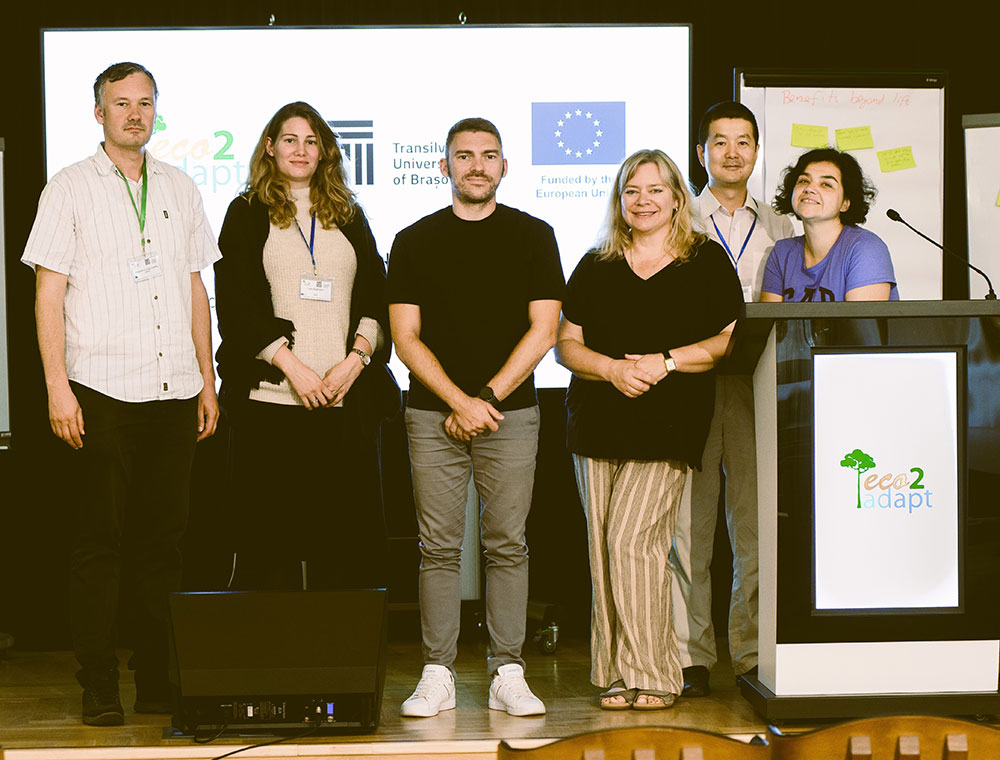
Institut National De Recherche Pour L'agriculture, L'alimentation Et L'environnement (INRAE), University of Eastern Finland, Finland; Global Climate Forum, Germany; European Forest Institute, Finland; Institut De Recherche Pour Le Developpement, France; Albert-Ludwigs-Universitaet Freiburg, Germany; Geoponiko Panepistimion Athinon, Greece; Nbs Institute, Sweden; BITCOMP OY (Bitcomp), Finland; Universita Degli Studi Di Firenze, Italy; INNOVASILVA APS (INNovaSilva), Denmark; Univerzitet u Beogradu - Institut za multidisciplinarna istrazivanja, Serbia; Suomen Etsakeskus-Finlands Skogscentral, Finland; Vytauto Didziojo Universitetas, Lithuania; Max-Planck-Gesellschaft Zur Forderung Der Wissenschaften, Germany, Consorci Centre De Ciencia I Tecnologia Forestal De Catalunya, Spain; Universitatea Transilvania Din Brasov, Romania; INRAE Transfert, France; Office National Des Forets, France; Green Estates, Finland; NEPCON FMBA, Denmark, and 6 institutions from China: ChineseAcademy of Forestry, Zhejiang Agriculture and Forestry University, International Center for Bambooand Rattan, South China Botanical Garden of Chinese Academy of Sciences, Central South University of Forestry and Technology, Beijing University.
Project leader for IMSI:
Dr Žaklina Marjanović
Project website:
Location:
/
Keywords:
forest resiliense on climate change; soil biodiversity; climate based forest management; forest ecosystem services; socio-economic importence of forests
Telephone:
E-Mail:
Website:
Project description
eco2adapt is a Horizon Europe initiative project that aims to help stakeholders manage forests to optimize their social and ecological resilience in the face of rapid climate change. Using the concept of nature-based solutions (NBS), we combine interdisciplinary knowledge from scientists and stakeholders in Europe and China to understand perceptions and provide incentives for adapting forest management. The consortium consists of 23 partners from Europe and 6 institutions from China.
The analyses reveal that the main bottlenecks making European and Chinese forests socially and ecologically ill-equipped to handle climate change are: inappropriate species selection and planting in unsuitable soils and climatic conditions, inadequate management practices, weak resilience to abiotic and biotic hazards, and species invasions. Additionally, there is reluctance among owners and managers to invest in plantations in climate hotspots due to the lack of adequate insurance premiums when forests are damaged by storms, fire, drought, insect attacks, and pathogens.
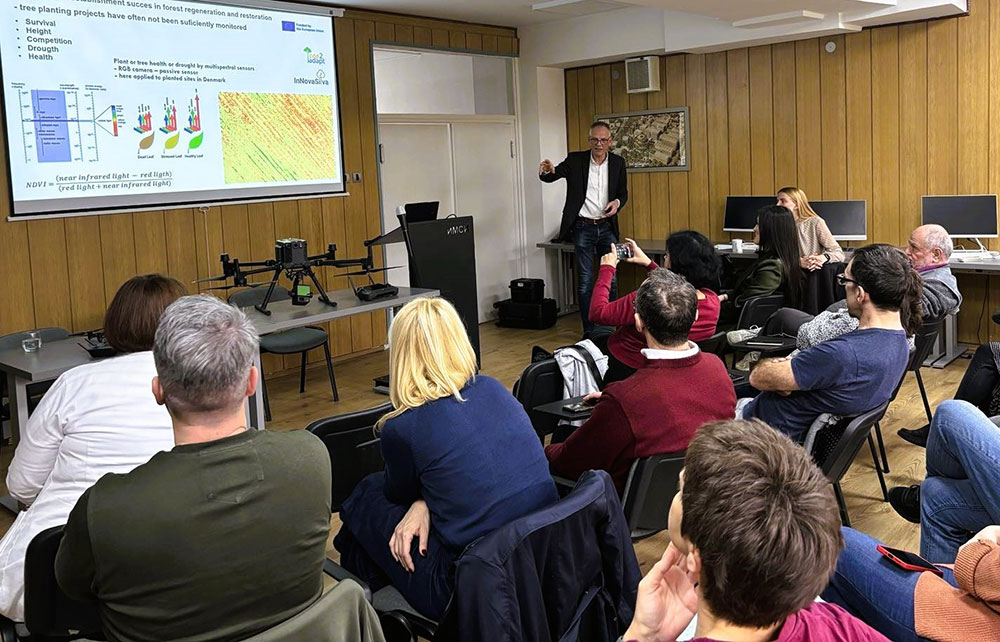
eco2adapt proposes a portfolio of tailored management solutions and innovative bioeconomic models, including insurance and certification, enabling stakeholders to interact with the multifunctional socio-ecological forest system. The project develops state-of-the-art tools for monitoring forest vulnerability and resilience, such as invasive species and biodiversity, with a particular focus on soil health and the symbiotic relationships between trees and soil microorganisms. Computer modeling is employed to predict scenarios of changes in vegetation and ecosystem services in response to climate change, supporting stakeholders in decision-making.
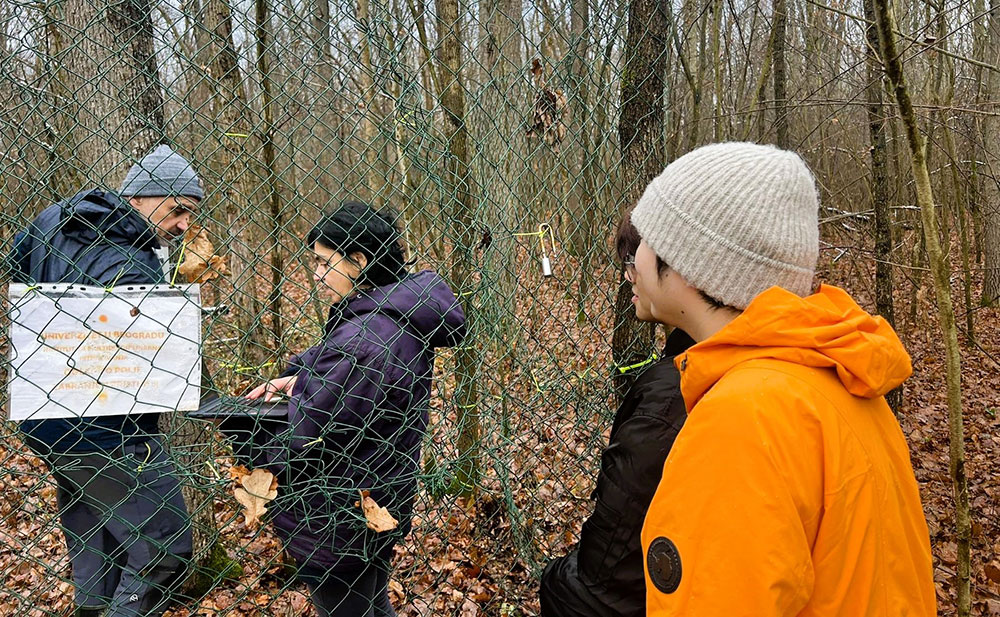
Ecosystem-based adaptation (EbA) is an NBS solution that leverages biodiversity and ecosystem services to reduce vulnerability and enhance the socio-ecological resilience of forests against climate change. EbA provides cost-effective, proven, and sustainable solutions that complement national and regional adaptation strategies. The Serbian living lab focuses on the alluvial forests of central Serbia, the country’s most endangered forest ecosystems, which are also habitats for the highly valued truffle species Tuber magnatum Pico. We will document this added value of the researched forests and incorporate it into the proposal for sustainable management amid climate change.
Data
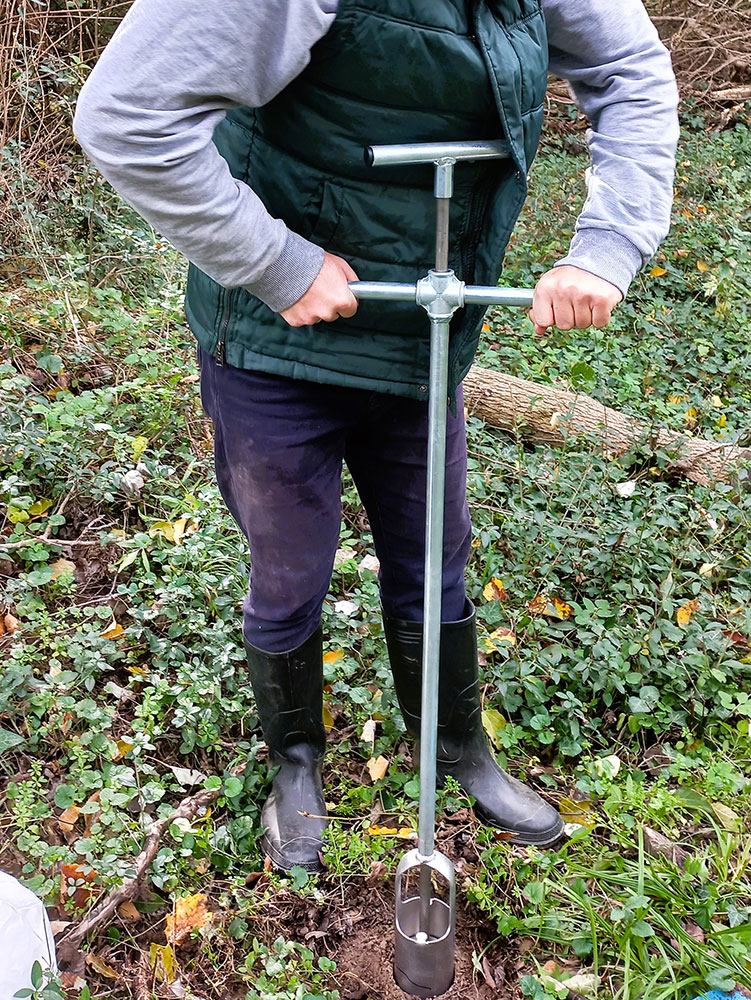
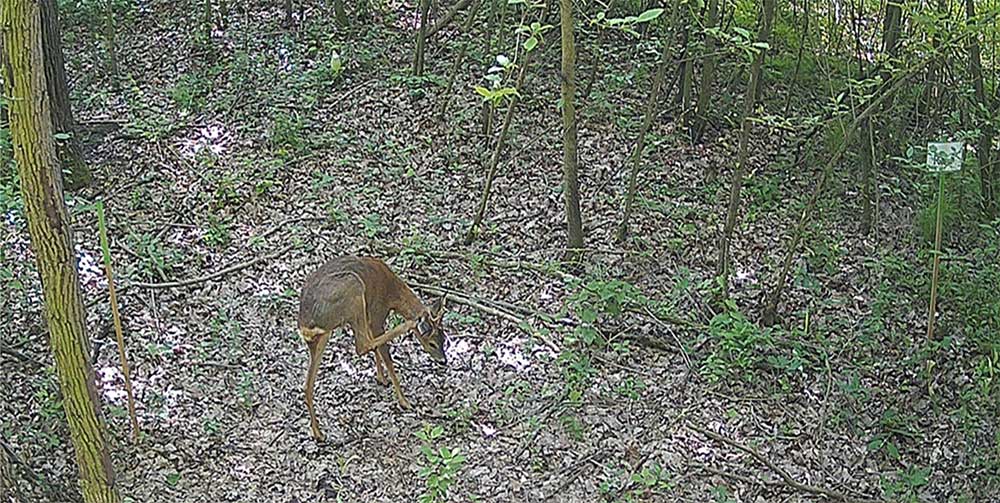
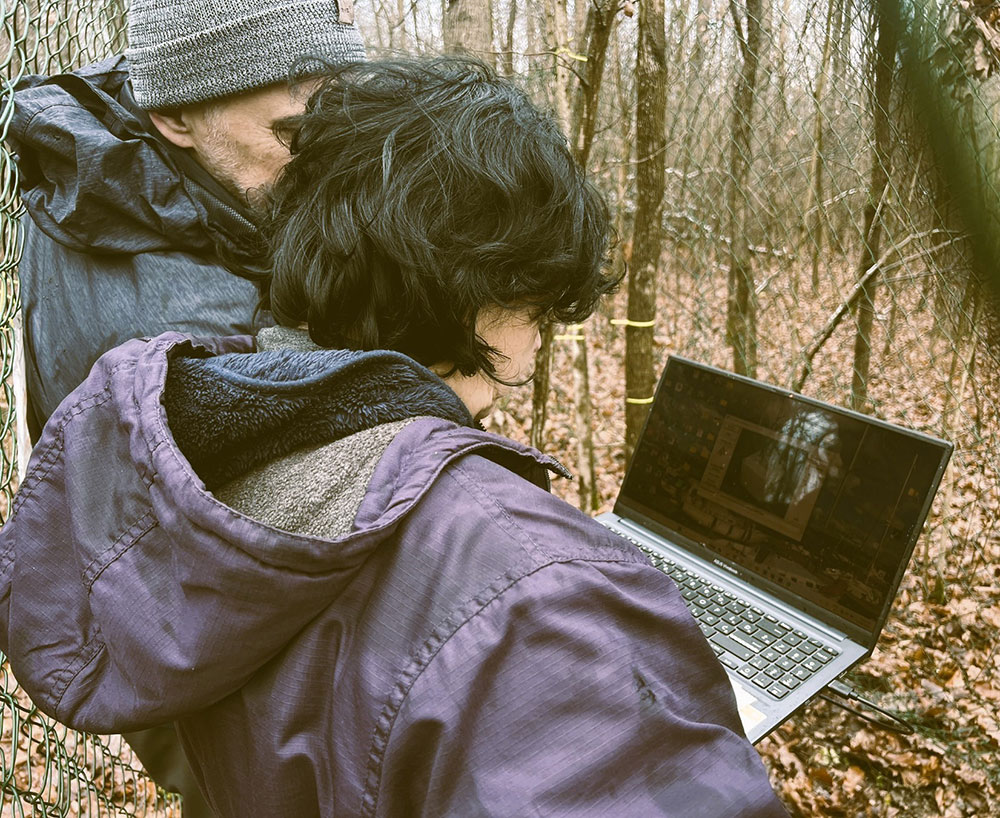
Data on soil parameters, soil myco-and microbiome (marker gene sequences); сакупљају се подаци о земљишту, земљишном мико и микобиому (секвенце маркер гена); photographs of wildlife; invaisve insect data. There is a detiled datamanagement plan. Data will be deposited in the public databases with respect to FAIR principles and open access with defined licence.
Results
- https://www.eco2adapt.eu/publications
- Khanam, T., Peris-Llopis, M., Selkimäki, M., Brazaitis, G., Mola-Yudego, B., Hartmann, H., Curtu, A. L., Hălălișan, A. F., Marjanovic, Ž., Leskinen, L., Pantera, A., Djahangard, M., Yousefpour, R., Brazaityte, G., Kukobat, L., Trivan, G., Mao, Z., Van Brusselen, J., & Berninger, F. (2025). Navigating climate threats in forestry across five European regions: Stakeholder’s adaptive management and policy strategies to resilience. Journal of Environmental Management, 388, 125903. https://doi.org/10.1016/j.jenvman.2025.125903
Project team
(suggestion: in case of large consortia, provide an overview of the IMSI team)
- Project leader (PI): Dr Alexia Stokes, INRAE, France
- Project team members: Institut National De Recherche Pour L’agriculture, L’alimentation Et L’environnement (INRAE), University of Eastern Finland, Finland; Global Climate Forum, Germany; European Forest Institute, Finland; Institut De Recherche Pour Le Developpement, France; Albert-Ludwigs-Universitaet Freiburg, Germany; Geoponiko Panepistimion Athinon, Greece; Nbs Institute, Sweden; BITCOMP OY (Bitcomp), Finland; Universita Degli Studi Di Firenze, Italy; INNOVASILVA APS (INNovaSilva), Denmark; Univerzitet u Beogradu – Institut za multidisciplinarna istrazivanja, Serbia; Suomen Etsakeskus-Finlands Skogscentral, Finland; Vytauto Didziojo Universitetas, Lithuania; Max-Planck-Gesellschaft Zur Forderung Der Wissenschaften, Germany, Consorci Centre De Ciencia I Tecnologia Forestal De Catalunya, Spain; Universitatea Transilvania Din Brasov, Romania; INRAE Transfert, France; Office National Des Forets, France; Green Estates, Finland; NEPCON FMBA, Denmark, and 6 institutions from China: ChineseAcademy of Forestry, Zhejiang Agriculture and Forestry University, International Center for Bambooand Rattan, South China Botanical Garden of Chinese Academy of Sciences, Central South University of Forestry and Technology, Beijing University.
- Team members from Serbia: Dr Žaklina Marjanović(PI), Dr Goran Trivan, Dr Slobodan Krnjajić; Dr Nikola Šušić, Lana Kukobat, Filip Maksimović i Dr Slobodan Stefanović