History
Multidisciplinarity from foundation to present times
History
The Center for Multidisciplinary Studies (CMS) of the University of Belgrade, today’s University of Belgrade – Institute for Multidisciplinary Research (IMSI), National Institute of the Republic of Serbia, was founded following the decision of the Council of the University of Belgrade No. 1481/1 of May 18, 1970, as a scientific-teaching organization of the University. On July 10, 1970, the Assembly of the Republic of Serbia passed a Decision confirming the Decision on the Establishment of the Center for Multidisciplinary Studies (“Official Gazette of the SRS” No. 27/70). By the decision of the District Commercial Court in Belgrade number US-232/70 of September 21, 1970, the Center for Multidisciplinary Studies of the University of Belgrade was registered in the Register of Institutions for the City of Belgrade. At its session held on December 25, 1974, the Council of the Republic Community for Scientific Work of SR Serbia passed a Decision determining that the Center for Multidisciplinary Studies of the University of Belgrade meets the conditions for acquiring the status of a scientific organization in accordance with the Law on Scientific Activities. Finally, on May 15, 1975, the Republic Secretariat for Education and Science passed a decision on the enrollment of the Center for Multidisciplinary Studies of the University of Belgrade with its headquarters in 35, Slobodana Penezića-Krcuna Street in the register of scientific organizations at the Republic Secretariat for Education and Science of SR Serbia. The Institute has been accredited as an Institute of National Importance for the Republic of Serbia since December 17, 2024, with its headquarters in Belgrade, Kneza Višeslava 1. The founder of IMSI is the Republic of Serbia.
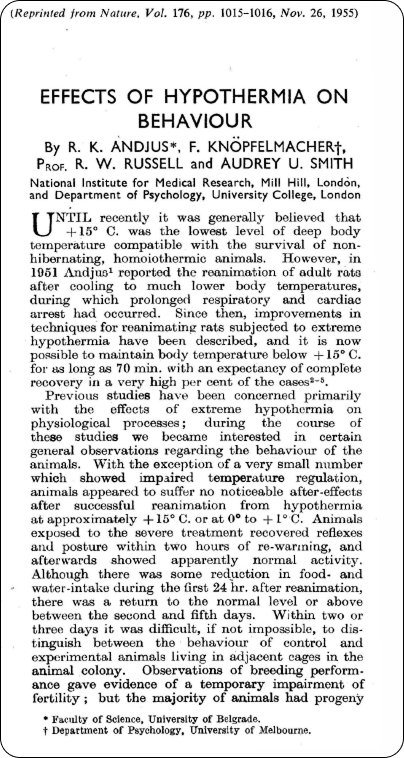
Figure 1. Cover of the work of Professor
Radoslav Andjus in the journal Nature
The first director of the Center was Prof. Dr. Zvonimir Damjanović, and later this function was performed by: Academician Radoslav Andjus, Academician Momčilo Ristić, Prof.. Dr. Nikola Jović, Prof. Dr. Željko Vučinić, Dr. Miroslav Nikčević and Dr. Sonja Veljović Jovanović. Dr. Dragica Stanković is now in that position.
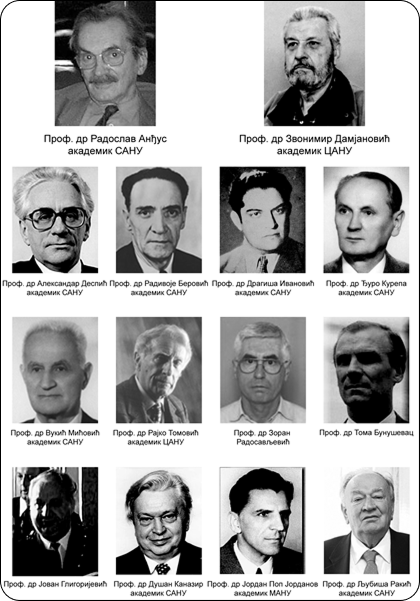
The first teachers of the Center were: Prof. dr Radoslav Andjus (neuroscience, biophysics), Prof. Dr. Milorad Bertolino (mathematics), Prof. Dr. Zvonimir Damjanović (biocybernetics), Prof. Dr. Aleksandar Despić (electrochemistry), Prof. Dr. Đuro Kurepa (mathematics), Prof. Dr. Dušan Kanazir (molecular biology and physiology), Prof. Dr. Jordan Pop Jordanov (full member of MANU; nuclear physics, electrical engineering, materials science), Prof. Dr. Milorad Mlađenović (nuclear physics, magnetism), Prof. Dr. Vojislav Petrović (full member of SASA, neuroendocrinology, physiology), Prof. Dr. Ljubiša Rakić (full member of SASA, neuroscience), Prof. Dr. Stanojlo Stefanović (medicine), Prof. Dr. Milutin Stefanović (chemistry), Prof. Dr. Rajko Tomović (robotics, biomedical engineering) and Prof. Dr. Miho Cerineo (nuclear physics) (Figure 1).
Founding an institute with a multidisciplinary character, brought Yugoslavia and the University of Belgrade to the forefront of world science. In the same year (1970) an international conference “Interdisciplinarity in Universities” was organized in Nice by the OECD, which resulted in the following conclusions / guidelines (given here in an abbreviated version):
- Multidisciplinarity is a necessary counterbalance to specialization, burdened by a number of negative consequences, such as growth communication barriers, education fragmentation and inadequate answer to society requirements.
Science achieves the greatest breakthroughs by multidisciplinary endeavors, achieving previously “unimagined” combinations of diverse knowledge, methods and concepts.
- The introduction of multidisciplinarity in education and science is necessary from the point of view of the needs of society and the economy for adaptable staff, capable of solving complex problems.
- Multidisciplinarity is in the function of improving the global fund of knowledge, which cannot be achieved through the simple proliferation of limited scientific disciplines, without transdisciplinary synthesis. Centralized control and professional division hamper science.
Most multidisciplinary scientific and educational institutions in the world were created much later. In the United States, the Santa Fe Institute and the famous Beckman Institute for Advanced Science and Technology were founded in the 1980s. The Academy for Advanced Interdisciplinary Studies in Beijing and the Interdisciplinary Graduate School of Nanyang Technological University in Singapore were established only after 2000. 1971.
Based on the decision of the Ministry of Science and Technology of the Republic of Serbia from December 31, 1993, the Center was registered as a scientific research organization. Interdisciplinary scientific areas have been developed at the Center, where young scientists have been educated through postgraduate teaching and mentoring. By the decision of the Government of the Republic of Serbia of October 4, 2007, the Center for Multidisciplinary Studies of the University of Belgrade was reorganized as a scientific research institution, founded by the Republic of Serbia under the name Institute for Multidisciplinary Research. IMSI was admitted as a member to the University of Belgrade on May 15, 2009 and thus became one of the scientific and teaching bases of the University.

The problems that science needs to solve are becoming more complex and demanding. Big problems require a multidisciplinary approach, and a combination of diverse knowledge provides huge capacities without which great breakthroughs in knowledge are practically no longer possible. The Institute was a pioneer and significantly contributed to the affirmation of the direction in which Serbian and world science is today. The topicality of multidisciplinarity in science is reflected in the national strategy of scientific and technological development (e.g. program of integrated interdisciplinary research) and in the organization of new multidisciplinary centers and study programs at universities in the country, but also in increasingly intensive promotion and application of multidisciplinary approaches in the international scientific community (Figure 3. Special Issue “Interdisciplinarity”, Nature 2015; 525), at leading universities in the world, as well as in the coordination of multidisciplinary endeavors in research and education and the formation of European multidisciplinary research centers.
Thus, multidisciplinarity was the focus of the annual sessions and reports of the Global Research Council for 2015 and 2016. It is increasingly emphasized that scientists from different natural, technical and social disciplines must work together to solve challenges facing the world – energy, water, climate, food and health. Such cooperation requires special efforts and active work on overcoming the barriers that exist between disciplines. Technical perfection, a biologically more flexible context, and an understanding of the social implications of the proposed solutions are needed. Perception of the economy is also multidisciplinary. In trying to find a solution to complex problems the economy is not interested in partial possibilities of individual disciplines
Directors
PhD Željko Vučinić
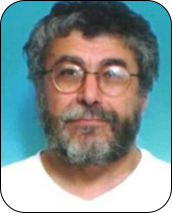
Professional activity: in the middle of 1973 he got a job at the Maize Institute “Zemun Polje”. In the fall of 1990, he transferred to the Center for Multidisciplinary Studies at the University of Belgrade, where he was Head of the Laboratory for Biophysics and Neurosciences until October 1992, when he was appointed Assistant Federal Minister of Science and Technology. The most important scientific results: he published 51 scientific papers and had over 100 presentations at domestic and international scientific conferences.
Membership in scientific organizations: he is a member of the Yugoslav Society for Biophysics. Member of the American Society of Plant Physiology, the Scandinavian Society of Plant Physiology, the European Federation of Society of Plant Physiology and the European Society of Photobiology. He is the President of the Assembly and one of the founders (YUVDI Association). Scientific field of work: biophysics.
PhD Nikola Jović
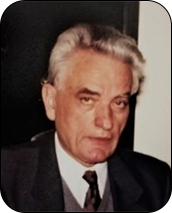
Professional activity: Management of game breeding “Jelen”, (1954-1960), manager of the hunting ground “Dobanovački zabran”; Faculty of Forestry, University of Belgrade (1960-1994): assistant (1959-1967), assistant professor (1967-1972), associate professor (1972-1977) and full professor (since 1977). At the Faculty of Forestry; Head of the Department of Forestry (several times), Vice Dean for Teaching (1973-1975); Director of the Institute of Forestry (1977-1979), Dean of the Faculty (1981-1983); also the President of the Faculty Council (several times). He was also the director of the Institute “Dr Ilija Buričić” (1969-1971). At the University of Belgrade, Vice-Rector (1983-1987) and President of the Council for Multidisciplinary Studies (since 1991). He was the director of the Center for Multidisciplinary Studies at the University of Belgrade (since 1991). He was very active in professional and scientific societies in the country, as well as in the International Society of Pedologists.
Membership in scientific and professional organizations: He was a member of the Union of Scientific and Biological Societies of Yugoslavia and the Yugoslav Society for the Study of Soil. In both organizations, he served as Secretary-General for several years. Member of the International Society of Indigenous Peoples.
Awards and recognitions: He was awarded the Order of Labor of the Third Order (1959); Order of Merit for the People with Silver Rays (1976); Order of Labor with the Red Flag (1989). He received several plaques, namely: the Plaque of the University of Belgrade; Plaque of the University of Warsaw; Plaque of the City of Belgrade; April 4 plaques of the Student Union of the University of Belgrade – 3 times; Plaque of the Faculty of Forestry in Belgrade, Plaque S. C. Belgrade, as well as through other recognitions, awards, charters, letters of thanks, diplomas, etc. The scientific field of work: Forestry and Protection and improvement of the environment. Within these areas, especially Forest Pedology and Forest Typology.
Аccademician Momčilo Ristić
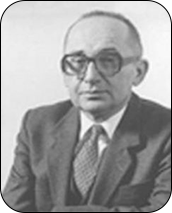
Professional employment: “Cer” plant in Čačak (1955-1959); the Institute of Nuclear Sciences „Boris Kidrič“, Vinča (Head of the nuclear ceramic fuels division) (1959-1974); Technical Faculty, University of Niš (associate professor) (1967-1969); Faculty of Electronic Engineering, University of Niš (full professor) (1969-1974); Indian Institute of Technology, Kanpur – India (foreign member for PhD thesis assessment) (1972-); McQuire University, New South Wales – Australia (member of an professor election committee) (1975-), Faculty of Philosophy, University of Niš (invited full professor) (1976-); Technical Faculty in Čačak, University of Kragujevac (invited full professor) (1978-2001); International Institute for sintering sciences (Editor-in-Chief of the “Science of Sintering” International Journal (1962-); Centre for Multidisciplinary Studies of the Belgrade University (Editor-in-Chief of the “Monograph on material science” edition) (1980-).
Аccademician Radoslav Anđus
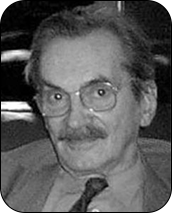
Scientific societies: Full member of the International Astronautic Academy (elected 1960), Secretary of the Section for Biological Sciences (1960-1982) and member of the Board of Directors.
Full member of the Serbian Academy of Sciences and Arts (elected in 1970; Corresponding member since 1959.) and Member of the Montenegrin Academy of Sciences and Arts (since 1973.).
Committees: Consulting member, Human Adaptability Committee, International Biological program – President, Committee for Cryobiology, International Institute for Refrigeration (1967). – President of the Committee for Natural and Exact Sciences, Yugoslav National UNESCO Committee – President of the Committee for Biology, Federal Association for Scientific Research in Yugoslavia
Society member: Amer. Soc. of Contemporary Medicine and Surgery, Soc. for Cryobiology, Soc. for Advanced Medicine (USA), Marine Biol. Assoc. (UK), Association des Physiologistes (Paris), Société de Biologie (France), Yugoslav Physiological Soc., Yugoslav Biophysical Soc., Yugoslav Immunological Soc., Serbian Biological Soc. (was President) – Former President of the Union of Yugoslav Biological Societies.
Awards: French National Academy, yearly award 1958.
Republic awards: SR Serbia 1957, SR Montenegro 1973.
Federal award: АVNOJ, 1979.
PhD Zvonimir Damjanović
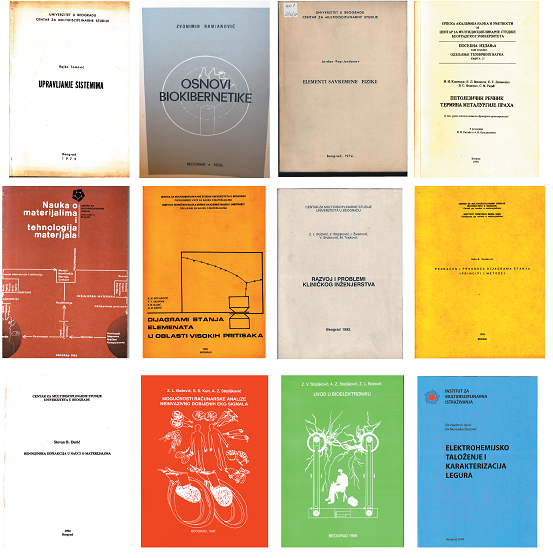
This speaks of the dynamic profile of the Institute, which is ready to respond to social challenges and help develop the planned courses and goals. Since its founding, the Institute has had a multidisciplinary research and education base. Over the years, certain courses were formed and crystallized in accordance with the needs of society and science. It can also be seen that in the seventies, the Center recognized the commercial potential of education as such, as well as the need to connect the economic aspect with high quality education, which is now recognized in higher education in our country. The dynamics of research and education work is best illustrated through the courses and modules that were available to students of master’s and doctoral studies at the Center. Thus, in 1972, available specializations at the Center were: Molecular Biology, Neurobiology, Surface States, Applied System Theory, and Socio-medical Research. By 1976, the teaching and scientific activities at the Center branched out and offered as many as 13 courses (Figure 4).

Figure 4. Cover page and courses in the program of the Center for Multidisciplinary Studies UB from 1972. 1971.
1. Biophysics and neuroscience

Figure 5. Enrollment poster for postgraduate studies at the Center for Multidisciplinary Studies, University of Belgrade from 1976. 1971.
2. Biomedical and clinical engineering
3. Protection and improvement of the environment
5. Population science
6. Artificial intelligence
- Biophysics (thematic areas: Molecular Biophysics, Bioenergetics, Membrane and Cellular Biophysics, Neurobiophysics, Ecobiophysics, and Biophysical Engineering, Mediation and Simulation)
- Biomedical engineering (thematic areas: Development of information systems, Application and improvement of shape recognition theory and artificial intelligence, Improvement of computer technology for scientific research, Development of high-value biomedical devices, Development and improvement of clinical engineering services)
- Neurosciences (thematic areas: Development of the central nervous system, Electroencephalographic research, Neurochemical research, Comparative physiology of retinal mechanisms, Electroretinography of fish, Retinal mechanisms of spectral sensitivity, Computing in neuroscience, Restorative neurology)
- Population science (thematic areas: Trends and risk factors in the aging process, Factors for improving the health of the population, Study of demographic, psychosocial, economic and other factors important for society)
- Materials Science (thematic areas: Improving the theoretical foundations of Materials Science, Studying sintering processes, Development of complex silicate materials, Amorphous materials, Synthesis of sulfoaluminate cements, Research and development of ceramic systems, Materials in microelectronics and optoelectronics)
- Energy conversion (thematic areas: Electrochemical deposition of alloys of defined composition and properties, Electrochemical formation of composite alloys, Catalysis of electrochemical reactions, Testing of corrosive stability of materials under operating conditions)
- Protection and improvement of the environment (thematic areas: Forest ecosystems – mechanisms of degradation, protection and restoration, Types of forests in Serbia, Ecological bases of afforestation, Productivity of forest communities, hydroecological, ecotoxicological and ichthyofaunistic research of river reservoirs, ecological-epidemiological research)
- Artificial intelligence (thematic areas: Development of artificial intelligence methods intended for the improvement of database management systems and knowledge bases, Development and improvement of expert systems, Computer-assisted learning)
- History and philosophy of natural sciences and technology (thematic areas: History of science, Philosophy of science, History and development of certain scientific and educational institutions or important industrial complexes, Life and work of great scientists, Science, culture and art).
Development of new materials
- Materials for electronic components, photocatalysis and photoelectrochemistry
- New materials for alternative energy sources
- Geopolymers
- Synthesis of new biomaterials
- Synthesis of new nanoparticles in order to monitor their biological effects
Plant physiology under stress
- Modification of antioxidant metabolism under stress
- Sustainable plant nutrition
- Growing plants and fungi and defending against salt stress
- Plant cell wall biophysics
Biomedical sciences
- Redox biochemistry and biomedicine
- Research on healthy food components
- Development of new diagnostic / analytical measurement procedures
Environmental Protection
- Phytoremediation and phytoextraction of soil and water
- Bioreactors for biomass and bioenergy production
- Hydrogels based on biopolymers from renewable sources with immobilized enzymes for water purification
- Bioindicators of the degree of plant damage and biomonitoring
- Nanoparticle uptake in plants and interaction monitoring
- Urban sustainability
- Recycling of inorganic waste (ash, slag) and waste from the oil cracking process
Fish ecophysiology and aquatic ecosystems
Fungal ecophysiology and biodiversity
According to Scopus, since foundation, as part of the Center for Multidisciplinary Studies and the Institute for Multidisciplinary Research, 232 authors have published over 2250 scientific papers. A large number of papers were realized in cooperation with 200 different institutions, including the Serbian Academy of Sciences and Arts, Russian Academy of Sciences, University of California, Berkeley to the University of Tasmania. The first paper with the affiliation of the Center was published in 1972, in the prestigious multidisciplinary journal – Biochimica et Biophysica Acta, and dealt with the development of methods (Figure 6).
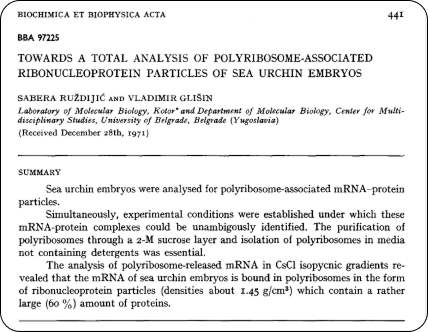
A list of the first 10 publications originating from IMSI is given below:
- Ruždijić, S., Glišin, V. Towards a total analysis of polyribosome-associated ribonucleoprotein particles of sea urchin embryos (1972) BBA Section Nucleic Acids And Protein Synthesis, 269 (3), pp. 441-449. DOI: 10.1016/0005-2787(72)90131-1
- Ruždajić, S., Milchev, G., Bajković, N., Glišin, V. Some properties of the 24S particle isolated from the cytoplasm of sea urchin eggs (1973) Biochemical and Biophysical Research Communications, 53 (1), pp. 224-230. DOI: 10.1016/0006-291X(73)91423-X
- Ristanović, D., Pašić, M. The application of an averaging method to intermittently modified and endogenously generated spike activities of neurons in mollusc ganglia (1975) Biological Cybernetics, 17 (2), pp. 65-70. DOI: 10.1007/BF00363945
- Adžić, R., Tripković, A., Atanasoski, R. Oxygen reduction of electrode surfaces modified by foreign metal adatoms (1978) Journal of Electroanalytical Chemistry, 94 (3), pp. 231-235. DOI: 10.1016/S0022-0728(78)80318-0
- Despić, A.R., Draić, D.M., Mihailović, M.L., Lorenc, Lj.L., Adžić, R., Ivić, M. Non-faradaic electrocatalysis. Part I. Acceleration of ester hydrolysis in the electrochemical double layer (1979) Journal of Electroanalytical Chemistry, 100 (1-2), pp. 913-925. DOI: 10.1016/S0022-0728(79)80209-0
- Adžić, R.R. Electrocatalysis on Surfaces Modified by Foreign Metal Adatoms (1979) Israel Journal of Chemistry, 18 (1-2), pp. 166-181. DOI: 10.1002/ijch.197900021
- Adžić, R.R., Tripković, A.V. Optical and electrochemical study of electrocatalysis by foreign metal adatoms. Oxidation of formic acid on rhodium (1979) Journal of Electroanalytical Chemistry, 99 (1), pp. 43-53. DOI: 10.1016/S0022-0728(79)80409-X
- Adžić, R.R., Marković, N.M. Reflectance study of cation adsorption on oxide layers of gold and platinum electrodes (1979) Journal of Electroanalytical Chemistry, 102 (2), pp. 263-270. DOI: 10.1016/S0022-0728(79)80397-6
- Adžić, R.R., Hofman, M.I., Draić, D.M. Oxidation of formates on a platinum electrode in neutral solutions (1980) Journal of Electroanalytical Chemistry, 110 (1-3), pp. 361-368. DOI: 10.1016/S0022-0728(80)80390-1
- Adžić, R.R., Tripković, A.V., Marković, N.M. Oxygen reduction on electrode surfaces modified by foreign metal ad-atoms: Lead ad-atoms on gold (1980) Journal of Electroanalytical Chemistry, 114 (1), pp. 37-51. DOI: 10.1016/S0022-0728(80)80434-7
Papers affiliated with the Center or IMSI have over 22,000 citations according to the Scopus scientific database, while the Institute’s h-index is 62. The most cited paper was published in the journal Biochemistry, and describes a new method for RNA isolation (Figure 7).
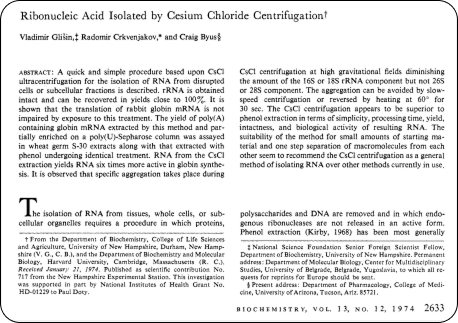
Figure 7. Title page of the most cited paper from IMSI
A list of the first 15 papers at the Center or Institute (with affiliation) by citation is divided into the period from its establishment to 1995 and from 1995 to the present:
– published by 1995:
- Glišin, V., Crkvenjakov, R., Byus, C. Ribonucleic acid isolated by cesium chloride centrifugation (1974) Biochemistry, 13 (12), pp. 2633-2637. Number of quotes: 1525. DOI: 10.1021/bi00709a025
- Marković, N.M., Adžić, R.R., Cahan, B.D., Yeager, E.B. Structural effects in electrocatalysis: oxygen reduction on platinum low index single-crystal surfaces in perchloric acid solutions (1994) Journal of Electroanalytical Chemistry, 377 (1-2), pp. 249-259. Number of quotes: 372. DOI: 10.1016/0022-0728(94)03467-2
- Adzić, R.R. Electrocatalytic properties of the surfaces modified by foreign metal adatoms (1984) Advances in Electrochemistry and Electrochemical Engineering, 13, pp. 159–260 (102). Number of quotes: 243
– published after 1995:
- Pastori, G.M., Kiddle, G., Antoniw, J., Bernard, S., Veljović-Jovanović, S., Verrier, P.J., Noctor, G., Foyer, C.H. Leaf vitamin C contents modulate plant defense transcripts and regulate genes that control development through hormone signaling (2003) Plant Cell, 15 (4), pp. 939-951. Number of quotes: 338 (WоS), 375 (SCOPUS) DOI: 10.1105/tpc.010538
- Noctor, G., Veljović-Jovanović, S., Driscoll, S., Novitskaya, L., Foyer, C.H. Drought and oxidative load in the leaves of C3 plants: A predominant role for photorespiration? (2002) Annals of Botany, 89 (SPEC. ISS.), pp. 841-850. Number of quotes: 311 (WоS), 383 (SCOPUS) DOI: 10.1093/aob/mcf096
- Veljović-Jovanović, S.D., Pignocchi, C., Noctor, G., Foyer, C.H. Low ascorbic acid in the vtc-1 mutant of arabidopsis is associated with decreased growth and intracellular redistribution of the antioxidant system (2001) Plant Physiology, 127 (2), pp. 426-435. Number of quotes: 169 (WоS), 208 (SCOPUS) DOI: 10.1104/pp.127.2.426
- Krstajić, N.V., Jović, V.D., Gajić-Krstajić, L., Jović, B.M., Antozzi, A.L., Martelli, G.N. Electrodeposition of Ni-Mo alloy coatings and their characterization as cathodes for hydrogen evolution in sodium hydroxide solution (2008) International Journal of Hydrogen Energy, 33 (14), pp. 3676-3687. Number of quotes: 163 (WоS), 180 (SCOPUS) DOI: 10.1016/j.ijhydene.2008.04.039
- Veljović-Jovanović, S., Noctor, G., Foyer, C.H. Are leaf hydrogen peroxide concentrations commonly overestimated? The potential influence of artefactual interference by tissue phenolics and ascorbate (2002) Plant Physiology and Biochemistry, 40 (6-8), pp. 501-507. Number of quotes: 151 (WоS), 174 (SCOPUS) DOI: 10.1016/S0981-9428(02)01417-1
- Noctor, G., Veljović-Jovanović, S., Foyer, C.H. Peroxide processing in photosynthesis: antioxidant coupling and redox signalling (2000) Philosophical Transactions of the Royal Society B-Biological Sciences, 355 (1402), pp. 1465-1475. Number of quotes: 150 (WоS), 177 (SCOPUS) DOI: 10.1098/rstb.2000.0707
- Jovalekić, C., Pavlović, M., Osmokrović, P., Atanasoska, L. X-ray-photoelectron spectroscopy study of Bi4Ti3O12 ferroelectric ceramics (1998) Applied Physics Letters, 72 (9), pp. 1051-1053. Number of quotes: 131 (WоS), 152 (SCOPUS) DOI: 10.1063/1.120961
- Šcepanović, M., Grujić-Brojčin, M., Vojisavljević, K., Bernik, S., Srećković, T. Raman study of structural disorder in ZnO nanopowders (2010) Journal of Raman Spectroscopy, 41 (9), pp. 914-921. Number of quotes: 111 (WоS), 126 (SCOPUS) DOI: 10.1002/jrs.2546
- Radotić, K., Dučić, T., Mutavdžić, D. Changes in peroxidase activity and isoenzymes in spruce needles after exposure to different concentrations of cadmium (2000) Environmental and Experimental Botany, 44 (2), pp. 105-113. Number of quotes: 105 (WоS), 143 (SCOPUS) DOI: 10.1016/S0098-8472(00)00059-9
- Komljenović, M., Baščarević, Z., Bradić, V. Mechanical and microstructural properties of alkali-activated fly ash geopolymers (2010) Journal of Hazardous Materials, 181 (1-3), pp. 35-42. Number of quotes: 102 (WоS), 196 (SCOPUS) DOI: 10.1016/j.jhazmat.2010.04.064
- Liang, Y.C., Si, J., Nikolić, M., Peng, Y., Chen, W., Jiang, Y. Organic manure stimulates biological activity and barley growth in soil subject to secondary salinization (2005) Soil Biology and Biochemistry, 37 (6), pp. 1185-1195. Number of quotes: 104 (WоS), 160 (SCOPUS) DOI: 10.1016/j.soilbio.2004.11.017
- Jarić, I., Višnjić-Jeftić, Z., Cvijanović, G., Gačić, Z., Jovanović, L., Škorić, S., Lenhardt, M. Determination of differential heavy metal and trace element accumulation in liver, gills, intestine and muscle of sterlet (Acipenser ruthenus) from the Danube River in Serbia by ICP-OES (2011) Microchemical Journal, 98 (1), pp. 77-81. Number of quotes: 91 (WоS), 156 (SCOPUS) DOI: 10.1016/j.microc.2010.11.008
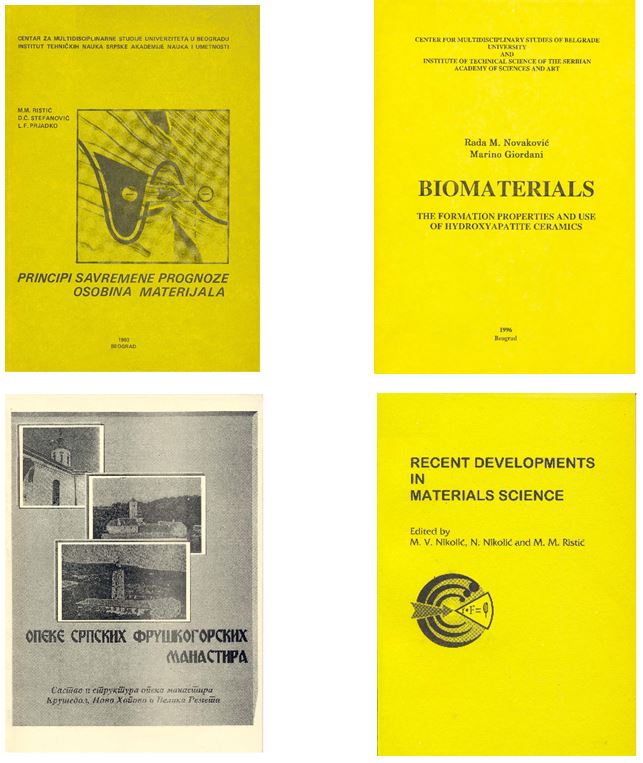
The Materials Science edition is also significant, with the first book printed in 1983 and the last forty-first book printed in 2000 (Figure 8).
A series of books by prof. Dr. Radoslav Andjus, in which our respected academician and long-term director of the Center represented his career, are still used today as textbooks at the Faculty of Biology (Figure 7).
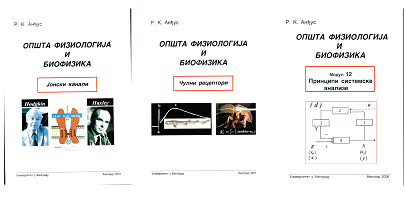
Figure 8. Headlines of the series “General Physiology and Biophysics” by Acad. Radoslav Andjus.